Flood Risk and Insurance: What Waterfront Homeowners Need to Know
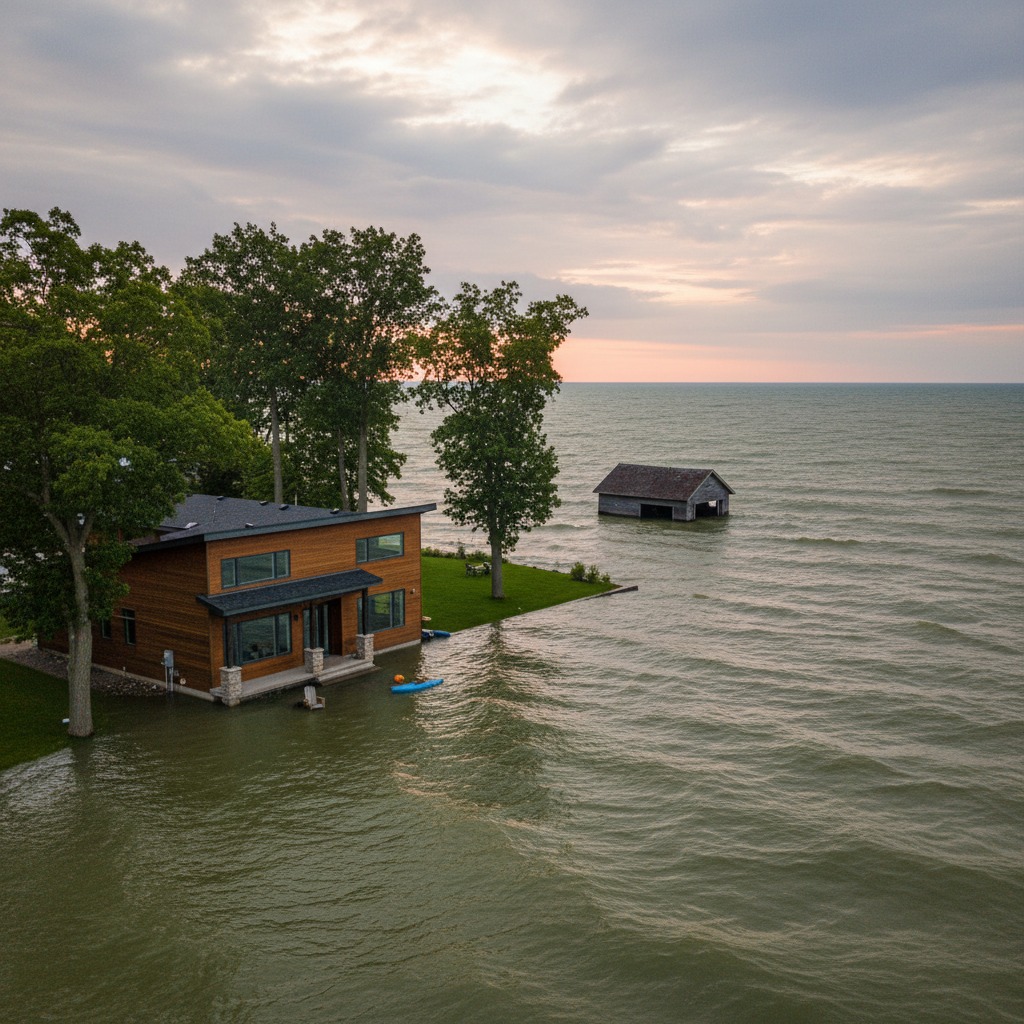
The phone calls usually come in spring. A waterfront homeowner discovers that their insurance policy does not cover the water damage creeping across their basement floor. Or worse, they learn that their insurer has declined to renew their policy altogether. These conversations have become more frequent over the past five years, as the flood insurance landscape in Canada undergoes a fundamental shift.
For decades, most Canadian homeowners operated under the assumption that their home insurance covered water damage. That was never entirely true, and the distinction between covered and uncovered water damage has become the most important fine print in any waterfront owner's policy.
What Standard Policies Actually Cover
A standard Canadian homeowner's insurance policy typically covers "sudden and accidental" water damage. That means burst pipes, appliance failures, and similar internal water events. What it historically excluded was overland flooding: water that enters your home from outside due to rising lakes, rivers, or overwhelmed drainage systems.
Starting around 2015, several Canadian insurers began offering optional overland flood endorsements. These add-on coverages range from $100 to $500 annually for low-risk properties. For waterfront homes, the story is different. Many insurers either refuse to offer flood endorsements for properties within designated flood zones or price them at levels that make coverage impractical.
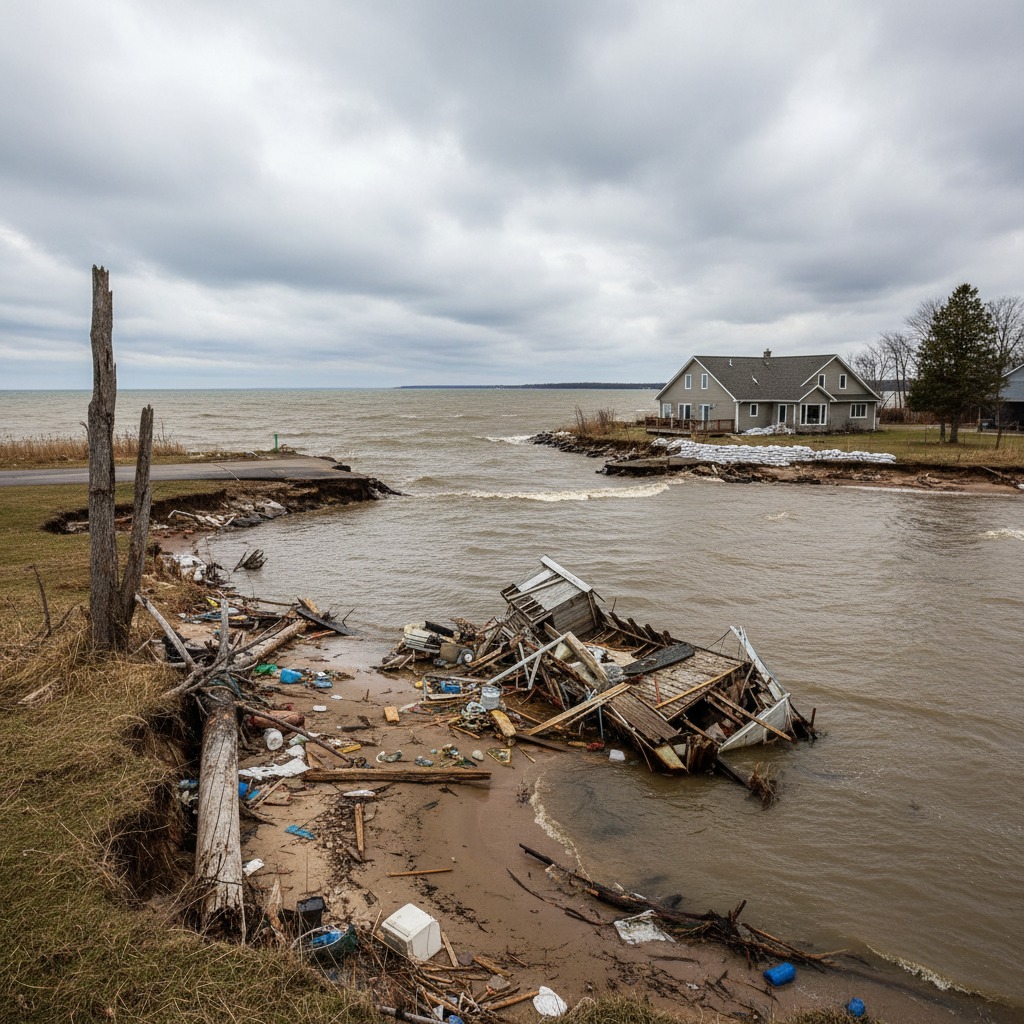
The Insurance Bureau of Canada has been tracking this market shift closely. Their data shows that water-related claims have become the most common and costly category of property insurance claims in Canada, surpassing fire damage. Between 2009 and 2023, insured losses from water damage in Canada exceeded $20 billion.
The Flood Map Problem
Canada's flood mapping infrastructure is outdated, and that creates problems for both insurers and homeowners. Many of the flood maps used to assess risk were drawn decades ago, before climate change altered precipitation patterns and before significant development changed drainage in many watersheds.
When you buy a waterfront property, the insurer assesses your flood risk based on available data. If your property sits within a mapped flood plain, expect limited coverage options and higher premiums. If it sits outside mapped flood zones but near the water, you may find coverage more accessible, though still more expensive than an inland home.
The catch is that flood maps do not always reflect actual risk. Properties outside mapped flood zones have flooded repeatedly in recent years. Meanwhile, some mapped flood zones have been dry for decades thanks to infrastructure improvements. The disconnect between maps and reality frustrates homeowners who feel they are paying for risk that does not apply to them.
What Waterfront Owners Pay
Insurance costs for waterfront properties vary dramatically by location, elevation, construction type, and proximity to the water's edge. A well-elevated home on the shores of Georgian Bay might pay $2,500 to $4,000 annually for comprehensive coverage. A lower-lying property on the shores of Lake Erie, in an area with recent flood history, might pay $6,000 to $10,000 or find itself uninsurable through standard markets.
These figures represent a significant increase from a decade ago. Waterfront homeowners in Ontario report premium increases of 50 to 200 percent since 2018, driven by a combination of increased claims, updated risk modelling, and market consolidation that has reduced competition in high-risk segments.
For properties that cannot obtain coverage through standard insurers, specialty or surplus-lines markets offer an alternative. These policies come with higher premiums, higher deductibles, and sometimes less comprehensive coverage. But they provide a backstop for homeowners who would otherwise be completely exposed.
The Federal Flood Insurance Program
Canada has been working toward a national flood insurance program to address gaps in private coverage. The federal government announced its intention to create such a program in 2022, and development has been ongoing since. The program aims to provide affordable flood coverage to high-risk homeowners who cannot access private market options.
The details remain in flux, but the program is expected to follow a model similar to the United States' National Flood Insurance Program. That means government-backed coverage with standardized rates based on flood risk. For waterfront homeowners currently struggling with unaffordable premiums or coverage denials, the program represents potential relief. For those currently well-served by private insurers, the impact may be minimal.
Steps to Protect Yourself
Start by understanding exactly what your current policy covers. Call your insurer and ask specifically about overland flood, sewer backup, and storm surge coverage. Get the answers in writing. Many homeowners discover gaps only after filing a claim, when the stakes are highest.
Next, assess your actual flood risk. Review available flood maps through your municipality or conservation authority. Look at historical flood records. Talk to neighbours who have lived in the area for years. The property's history tells you more than any model.
Physical mitigation can reduce both your risk and your premiums. Proper shoreline maintenance helps manage water flow. Backwater valves prevent sewer backup. Sump pumps with battery backup handle groundwater intrusion. Grading improvements direct surface water away from your foundation. Some insurers offer premium discounts for documented flood mitigation measures, so keep receipts and records.
Consider your property's elevation relative to historical high-water marks. In the Great Lakes region, water levels follow multi-year cycles that can swing by more than a metre. A property that feels safely above the water in a low-water year may be at risk when levels peak. The erosion patterns along your shoreline can also affect long-term flood exposure as protective buffers diminish.
What to Do If Coverage Gets Dropped
If your insurer declines to renew your policy, do not panic, but act quickly. Contact an independent insurance broker who works with multiple carriers. Specialty markets exist for hard-to-place risks, and a broker with the right connections can often find coverage that direct-to-consumer searches miss.
Document every flood mitigation improvement you have made to the property. Elevation certificates, drainage improvements, and backup systems all strengthen your case with underwriters. Some homeowners have successfully regained coverage after demonstrating that their property's actual risk is lower than the model suggests.
If you are buying a waterfront property, make insurance a condition of your offer. Get written quotes from at least two insurers before waiving conditions. The purchase price means nothing if you cannot insure what you have bought.
The reality of waterfront property ownership costs now includes insurance as a major variable expense. Buyers who factor this in from the start make better decisions. Those who discover the costs after closing face difficult choices between inadequate coverage and unaffordable premiums.
Flood risk is not going away. If anything, climate projections suggest it will intensify across much of Ontario. The homeowners who fare best are those who acknowledge the risk, invest in mitigation, and maintain adequate insurance coverage, even when premiums sting.