Shoreline Maintenance Every Waterfront Homeowner Should Know
Your shoreline is the most valuable and most vulnerable part of your waterfront property. It is the boundary where land meets water, and maintaining it properly determines whether your property gains or loses ground over the years. Too many homeowners treat their shoreline as an afterthought, focusing on the house, the dock, and the landscaping while the water quietly reshapes the most important part of their lot.
Effective shoreline maintenance is neither complicated nor excessively expensive. But it does require understanding what your shoreline needs and committing to a regular schedule of inspection and care.
Know Your Shoreline Type
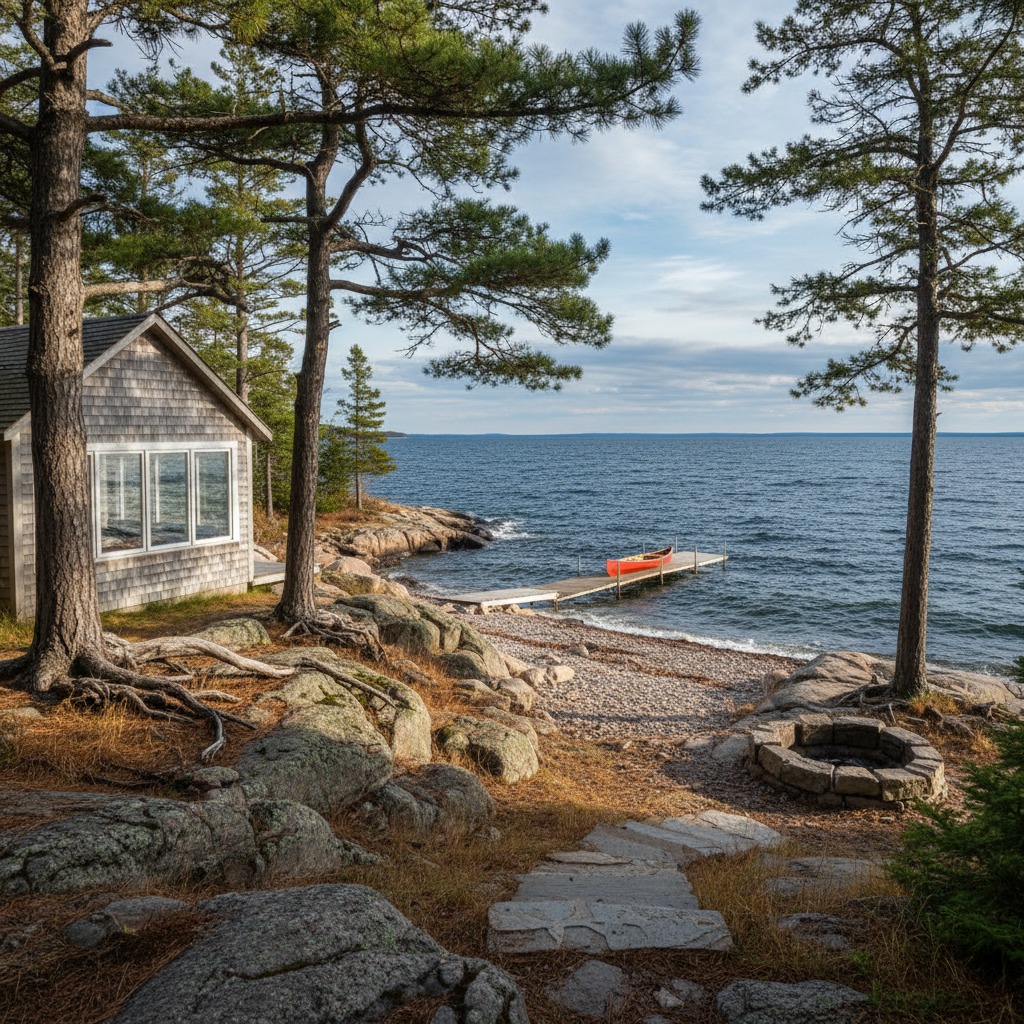
Ontario waterfront properties sit on a variety of shoreline types, and each requires a different approach. Rocky shorelines, common along the Canadian Shield lakes of Muskoka and Haliburton, are naturally durable but not immune to damage. Sand and gravel shorelines, found along many of the Great Lakes and southern Ontario lakes, are more dynamic and require more active management. Clay and silt shorelines, typical of Lake Erie and parts of Lake Ontario, are the most erosion-prone and demand the most attention.
Identifying your shoreline type is the first step toward maintaining it properly. The Federation of Ontario Cottagers' Associations provides detailed guidance on shoreline naturalization and management for different shoreline types. Their resources are free and specific to Ontario conditions.

The Vegetative Buffer
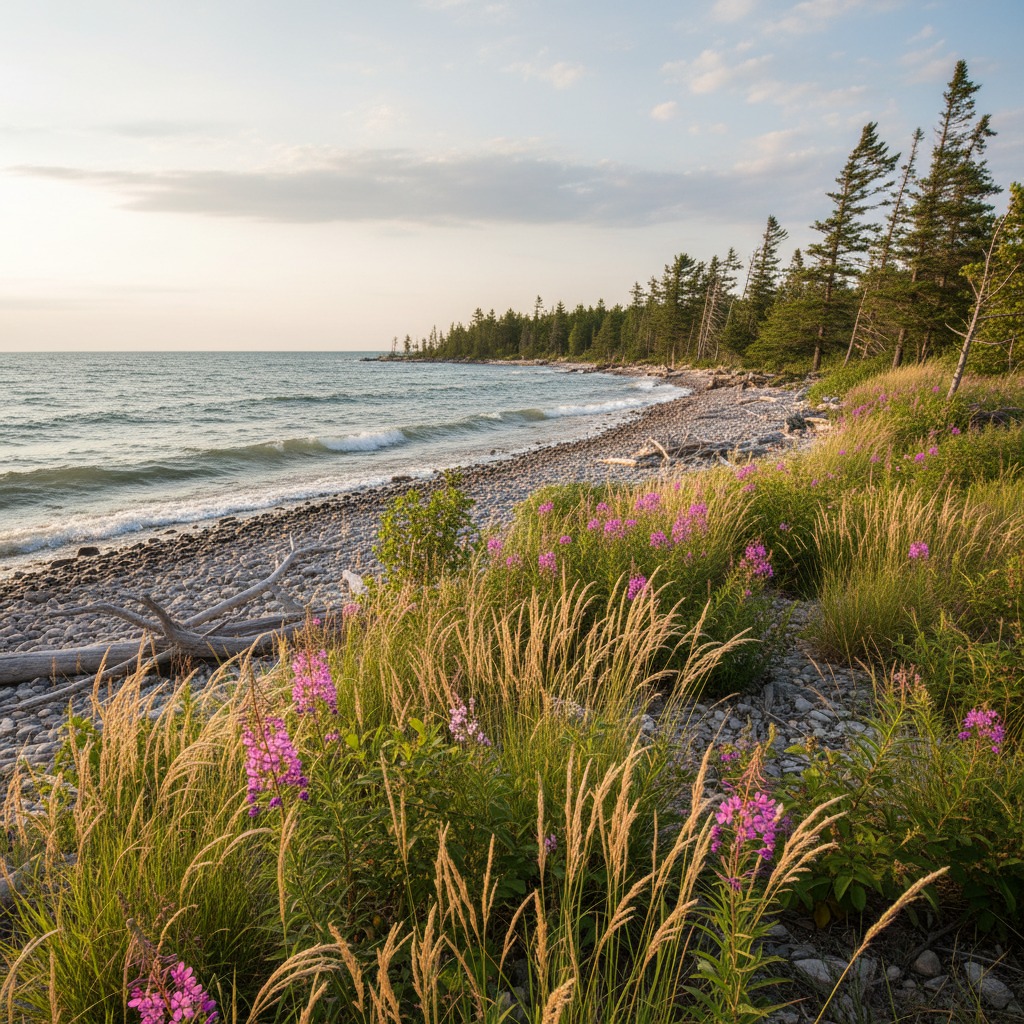
The single most effective shoreline maintenance strategy costs almost nothing: let native vegetation grow along your waterfront. A vegetative buffer, even one as narrow as three metres, provides root systems that hold soil in place, filters runoff before it reaches the water, and creates habitat for wildlife that contributes to a healthy lake ecosystem.
The instinct to mow right down to the water's edge is understandable but counterproductive. Grass roots are shallow and provide minimal erosion protection. Native shrubs, grasses, and wildflowers develop deeper root systems that anchor soil far more effectively. Species like buttonbush, dogwood, blue flag iris, and native sedges thrive in the transition zone between land and water.
Establishing a naturalized buffer does not mean abandoning your shoreline to chaos. You can maintain pathways to the water, keep sightlines clear with strategic pruning, and create a manicured appearance while still benefiting from the protective function of native plantings. Many waterfront communities now encourage or require shoreline naturalization, recognizing its benefits for both individual properties and overall water quality.
Spring Inspection Checklist
Every spring, after ice-out, walk your entire shoreline and assess the winter's impact. Look for these specific conditions.
Bank slumping: sections of shoreline that have collapsed or shifted downward toward the water. Small slumps can be stabilized with plantings. Larger ones may require engineered solutions.
Exposed roots: tree roots visible along eroded banks indicate active erosion that will accelerate if not addressed. The trees themselves may become unstable and fall into the water.
Displaced rocks: ice heave and wave action can move rocks and armour stone out of position. Rocks that have shifted need to be reset before they leave gaps in shoreline protection.
Debris accumulation: winter storms deposit wood, leaves, and other debris along shorelines. Clearing debris prevents it from smothering vegetation and allows you to inspect the bank underneath.
Drainage changes: check whether spring runoff patterns have changed. New channels or concentrated flow points can cause rapid erosion if not redirected.
When to Call a Professional
Not all shoreline maintenance is DIY work. When erosion threatens your property's stability, professional assessment and engineering may be necessary. Situations that warrant expert help include bank retreat of more than 30 centimetres per year, undermining of structures near the shoreline, significant changes in water flow patterns, and any situation where the bank height exceeds two metres.
Professional shoreline restoration typically involves a combination of bioengineering techniques, such as live staking, brush layering, and coir logs, with structural elements like armour stone or engineered revetments. Costs range from $200 to $500 per linear metre for bioengineering approaches to $800 to $2,000 per linear metre for engineered solutions.
The important thing is to act before the problem becomes critical. Shoreline restoration is always cheaper and more effective when done early. Waiting until a retaining wall collapses or a bank fails dramatically multiplies the cost and complexity of repair.
What Not to Do
Certain well-intentioned shoreline maintenance practices actually cause more harm than good. Dumping fill material along the shoreline to "build up" an eroded area often washes away with the next storm and introduces contaminants to the water. Placing rip-rap (loose rocks) without proper engineering can redirect wave energy to neighbouring properties, creating new erosion problems.
Clearing all vegetation from the shoreline removes the natural protection that prevents erosion in the first place. Using concrete rubble, old tires, or other waste materials as makeshift erosion control is both ineffective and environmentally harmful. And altering the grade of your property to direct more runoff toward the water accelerates shoreline deterioration and may violate environmental regulations.
Any significant shoreline work requires permits from your local conservation authority and possibly your municipality. Work done without permits can result in orders to restore the shoreline to its previous condition, at the owner's expense, plus potential fines.
Seasonal Maintenance Calendar
Organize your shoreline care around the seasons. Spring: inspect for winter damage, clear debris, replant bare areas, reset displaced rocks. Summer: monitor for erosion during storms, maintain vegetative buffer, control invasive species. Fall: prepare for winter by removing temporary structures, securing loose materials, and making any repairs before freeze-up. Winter: monitor ice conditions and ice push risk, stay off unstable banks.
This ongoing attention, perhaps four to six hours per season, pays dividends in property protection, property value preservation, and personal enjoyment of your waterfront. A well-maintained shoreline is a beautiful thing to look at and a solid foundation for everything else you want to do with your waterfront property.