Winter on the Waterfront: What Year-Round Living Really Looks Like
The summer brochure version of waterfront living is easy to sell. Kayaks at dawn, barbecues at dusk, the sound of loons across the lake. What gets less attention is what happens between November and April, when the lake freezes, the wind cuts through every gap in your insulation, and the nearest grocery store is a 40-minute drive on roads that may or may not be plowed.
Year-round waterfront living in Ontario is rewarding, but it demands a level of preparation, self-sufficiency, and tolerance for inconvenience that summer visitors never see. I have spent six winters on the water in Prince Edward County. Here is what I wish someone had told me before my first one.
The Cold Gets Personal
Waterfront homes are colder than their inland equivalents. Wind coming off the water carries moisture that penetrates building envelopes in ways dry cold does not. A home that feels comfortable in August may feel drafty by December, even with the thermostat cranked.
Heating costs reflect this reality. Waterfront homeowners in Ontario report winter heating bills 20 to 40 percent higher than comparable inland homes. The combination of wind exposure, moisture, and often older construction drives the difference. Properties with southern exposure facing large bodies of water get the worst of it, as prevailing winds push across kilometres of open ice directly into the building.
Insulation upgrades pay for themselves quickly in this environment. If your waterfront home still has original insulation, or worse, uninsulated sections, addressing this before winter is the single best investment you can make. Spray foam insulation in rim joists, attic upgrades, and window replacements make the most immediate difference.
Pipes, Pumps, and Plumbing
Frozen pipes are the winter waterfront homeowner's constant worry. Water lines that run near exterior walls, through unheated crawl spaces, or under the house between the well and the building are all vulnerable when temperatures drop below minus 15 Celsius for extended periods.
The consequences of a burst pipe in a waterfront home can be severe. Many properties sit at lower elevations, which means flooding from a burst pipe can compound quickly. If you are away when it happens, the damage multiplies with every hour.
Prevention requires several measures. Heat trace cables on vulnerable pipe runs. Insulation around exposed plumbing. A thermostat set no lower than 12 degrees Celsius, even when the home is unoccupied. And a water monitoring system that alerts you to temperature drops or unexpected water flow. These systems cost $200 to $500 and can save tens of thousands in damage.
Water intake lines from the lake, used by some waterfront properties as a supplementary water source, must be drained and disconnected before freeze-up. Many seasonal water systems use foot valves and intake lines that extend into the lake, and these need to be properly winterized to prevent damage from ice expansion.
Access and Isolation
Many waterfront roads are among the last to be plowed after a snowfall. Some are not maintained at all during winter months. If your property is on a seasonal road, you may be responsible for your own snow clearing, which means owning a plow or paying a contractor.

The isolation factor catches some people off guard. A lakeside location that feels pleasantly private in summer can feel genuinely remote in January. Neighbours who are summer residents have closed their cottages. The marina, the bait shop, and the seasonal restaurant are all shuttered. Your social world contracts significantly.
Emergency access is a practical concern. How far are you from the nearest hospital? Can an ambulance reach your property in winter conditions? Is your driveway passable after a heavy snowfall? These questions matter more as you spend more time on the property. For those considering aging in place on the waterfront, winter access should be a central part of the planning conversation.
Ice Damage and Shoreline
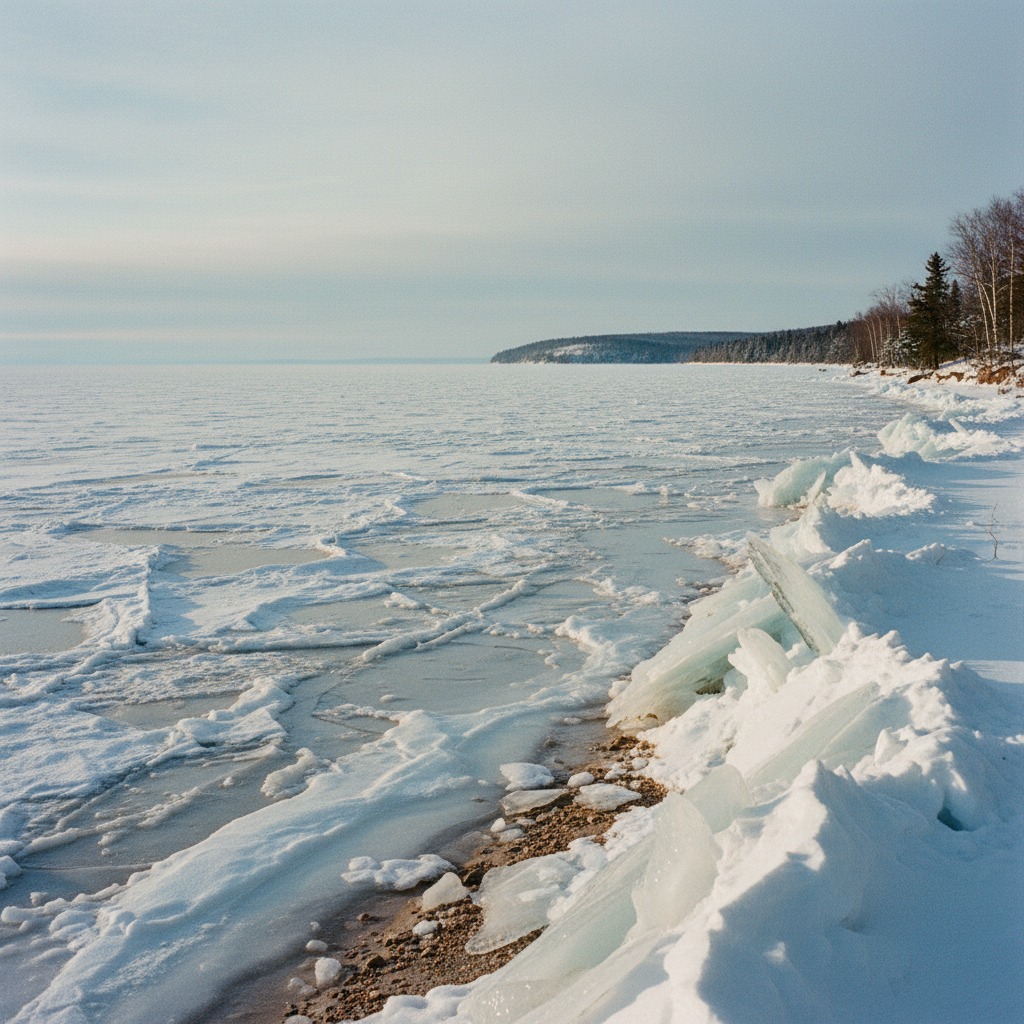
Ice does things to shoreline that water alone cannot. Ice heave, where expanding ice pushes rocks, soil, and structures out of position, can rearrange your waterfront over a single winter. Retaining walls crack. Steps shift. Docks left in the water get crushed or displaced.
Removing your dock before freeze-up is not optional in most of Ontario. Even permanent crib docks take damage from ice, and many waterfront owners budget $500 to $1,500 annually for ice-related repairs to their shoreline structures and features.
Ice push, a phenomenon where wind-driven ice slides onto shore, can be dramatic. In some years, ice push has moved boulders, destroyed seawalls, and pushed debris metres inland. Properties on large, wind-exposed lakes face the highest risk. If your shoreline has experienced ice push, structural measures like sacrificial barriers or properly engineered revetments may be necessary.
The Rewards
This article has focused on challenges because those are what catch people unprepared. But winter waterfront living has genuine appeal for those who embrace it.

The winter light on a frozen lake is extraordinary. Sunsets reflect off ice in colours that summer never produces. The silence, absent boats and jet skis, is profound. Wildlife that avoids the summer crowds becomes visible: foxes crossing the ice, eagles hunting open water, deer browsing along the shore.
Ice fishing, cross-country skiing, snowshoeing, and skating on cleared lake ice are all available literally steps from your door. Some waterfront communities organize winter events specifically for year-round residents, creating a tighter social bond than the diffuse summer crowds allow.
The key is going in with realistic expectations. Budget for higher utility costs. Invest in proper winterization. Develop relationships with reliable contractors for plowing, dock maintenance, and emergency repairs. Stock up before storms. And accept that some winter days will test your commitment to this lifestyle.
The people who thrive as year-round waterfront residents share a few traits: they plan ahead, they maintain their properties diligently, and they genuinely enjoy winter rather than merely enduring it. If that sounds like you, choosing the right type of waterfront property is the next step toward making it work.