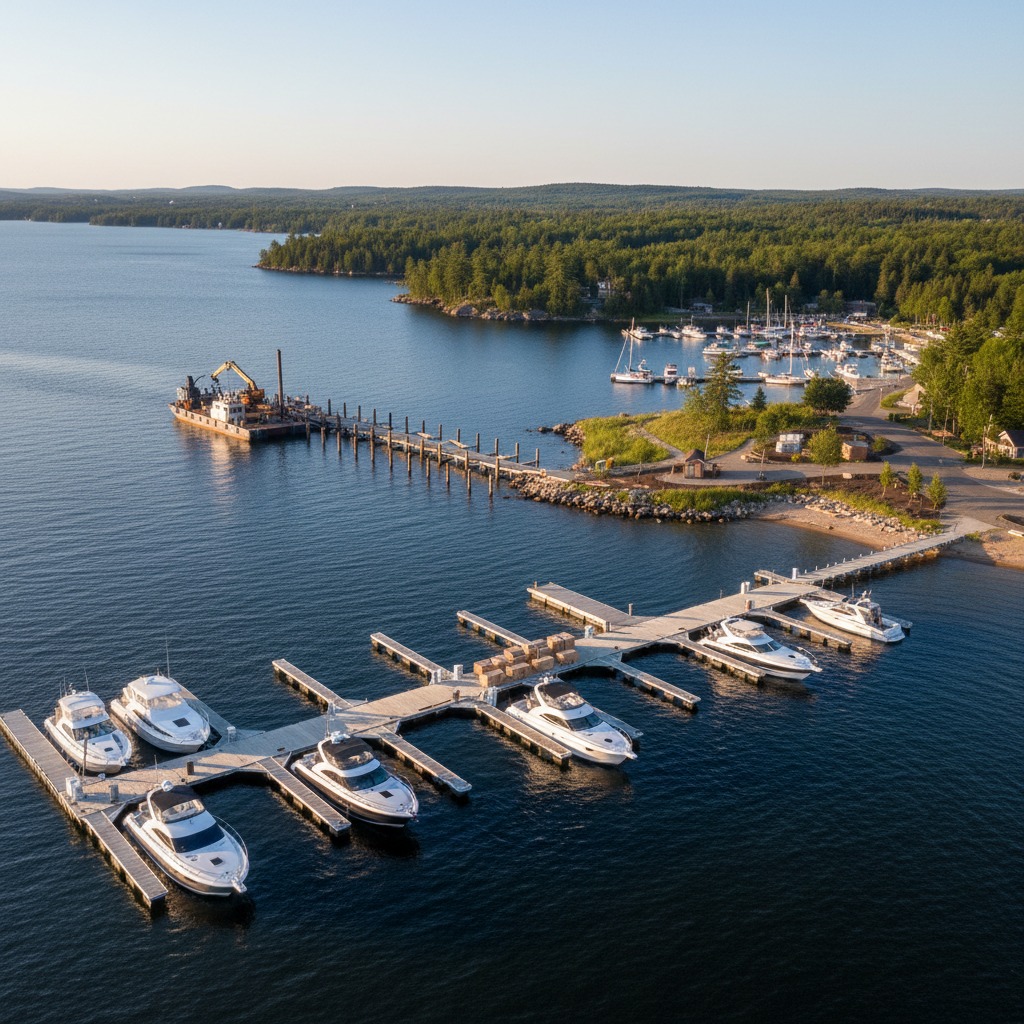
Marina Expansions and the Communities Pushing Back
When a proposal to expand the Midland town dock into a 200-slip marina surfaced in early 2024, the reaction from nearby residents was immediate and hostile. Yard signs appeared within days. A Facebook group opposing the project hit 1,500 members in a week. At the first public meeting, residents lined up at the microphone to describe what they feared: more traffic, more noise, fuel contamination in the harbour, and the loss of a quiet stretch of waterfront that families had used for generations.
The Midland fight is one of several marina expansion battles currently playing out across Ontario. From the Kawarthas to the Bruce Peninsula, marina operators and municipalities seeking to expand boating infrastructure are running headlong into communities that want their waterfronts left alone.
Why Marinas Want to Expand
The economics of marina operation in Ontario have shifted considerably over the past decade. Demand for boat slips has outpaced supply in many popular boating regions, particularly along Georgian Bay, Lake Simcoe, and the Trent-Severn Waterway. Wait lists for seasonal slips at some marinas stretch five years or more.
At the same time, boats have gotten bigger. The average recreational vessel sold in Ontario today is larger and heavier than it was 20 years ago, which means existing marinas need wider slips, deeper channels, and heavier-duty docking infrastructure. Operators argue that expansion is necessary simply to keep up with the fleet they already serve, let alone accommodate new boaters.
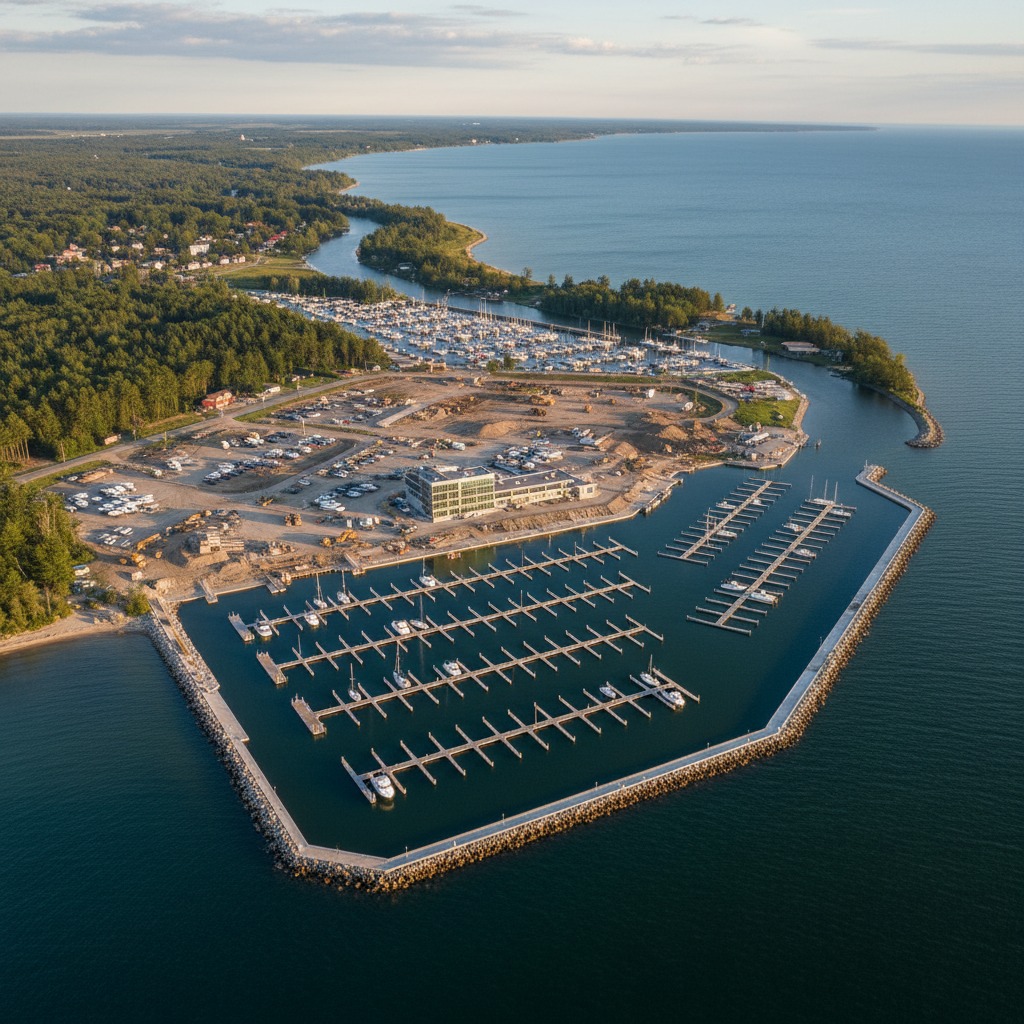
The federal government's marine transportation framework also plays a role, as navigable waterway regulations affect marina design and capacity. Municipal governments often support marina expansions because they generate economic activity. A busy marina brings fuel sales, boat repairs, restaurant traffic, and accommodation bookings to nearby businesses. In small towns where the seasonal economy is critical, the tax revenue and employment from a larger marina can be hard to turn down.
What Communities Are Fighting Against
Opponents of marina expansions typically raise a combination of environmental and quality-of-life concerns. On the environmental side, the issues are well documented. Larger marinas increase the volume of boat traffic, which stirs up sediment, spreads fuel and oil residues, and generates underwater noise that disrupts fish habitat. The construction process itself, which often involves dredging, pile-driving, and shoreline modification, can damage the very ecosystem that makes the waterfront attractive.
The loss of fish habitat is a recurring concern. Under federal fisheries law, any work that affects fish habitat requires authorization, and proponents must often provide offsetting habitat elsewhere to compensate for what is destroyed. Critics argue that these offsets rarely achieve their intended results and that the permitting process gives too much weight to economic arguments over ecological ones.
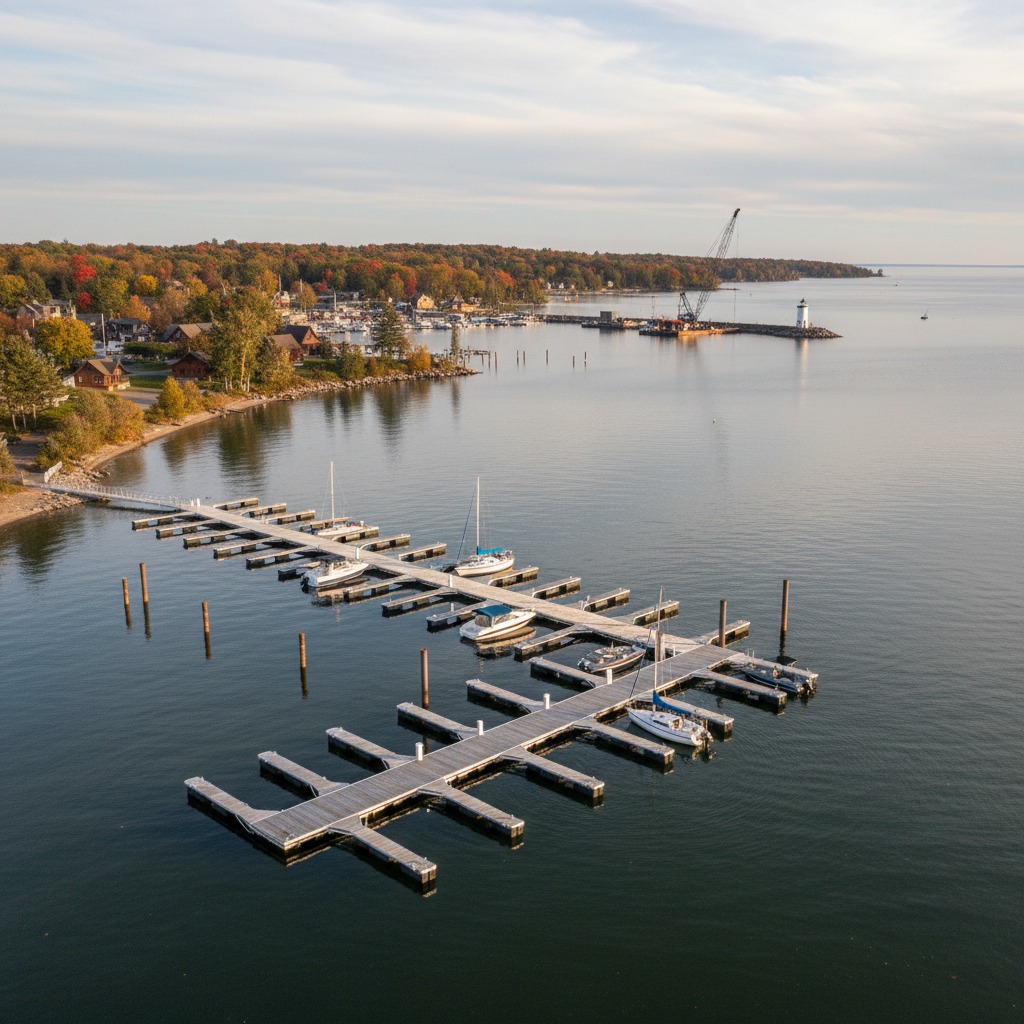
On the neighbourhood side, marina expansions can transform the character of a waterfront community. More boat traffic means more wake damage to nearby shorelines and docks. More vehicles towing trailers means more congestion on local roads, which in many waterfront towns were never designed for heavy summer traffic. Noise from boats, generators, and late-night activity at expanded facilities is a persistent complaint in communities near marinas.
In Penetanguishene, where a marina expansion was approved in 2022 over significant community opposition, residents on a nearby street documented a 40 percent increase in vehicle traffic during the peak boating months. They also reported increased noise levels on weekends and a decline in water clarity in the inner harbour.
The Approval Process
Marina expansions in Ontario typically require multiple approvals. Depending on the scope of the project, a proponent may need a municipal site plan approval, a conservation authority permit, a federal Fisheries Act authorization, and sometimes an environmental assessment. The process can take years, which gives communities time to organize opposition but also exhausts volunteers who cannot sustain the effort indefinitely.
One of the most contentious aspects of the approval process is public consultation. Provincial planning law requires municipalities to hold public meetings and consider community input before approving major development proposals. But residents frequently complain that their input is ignored, that council members have already made up their minds, and that the process is designed to create the appearance of consultation without actually incorporating community concerns.
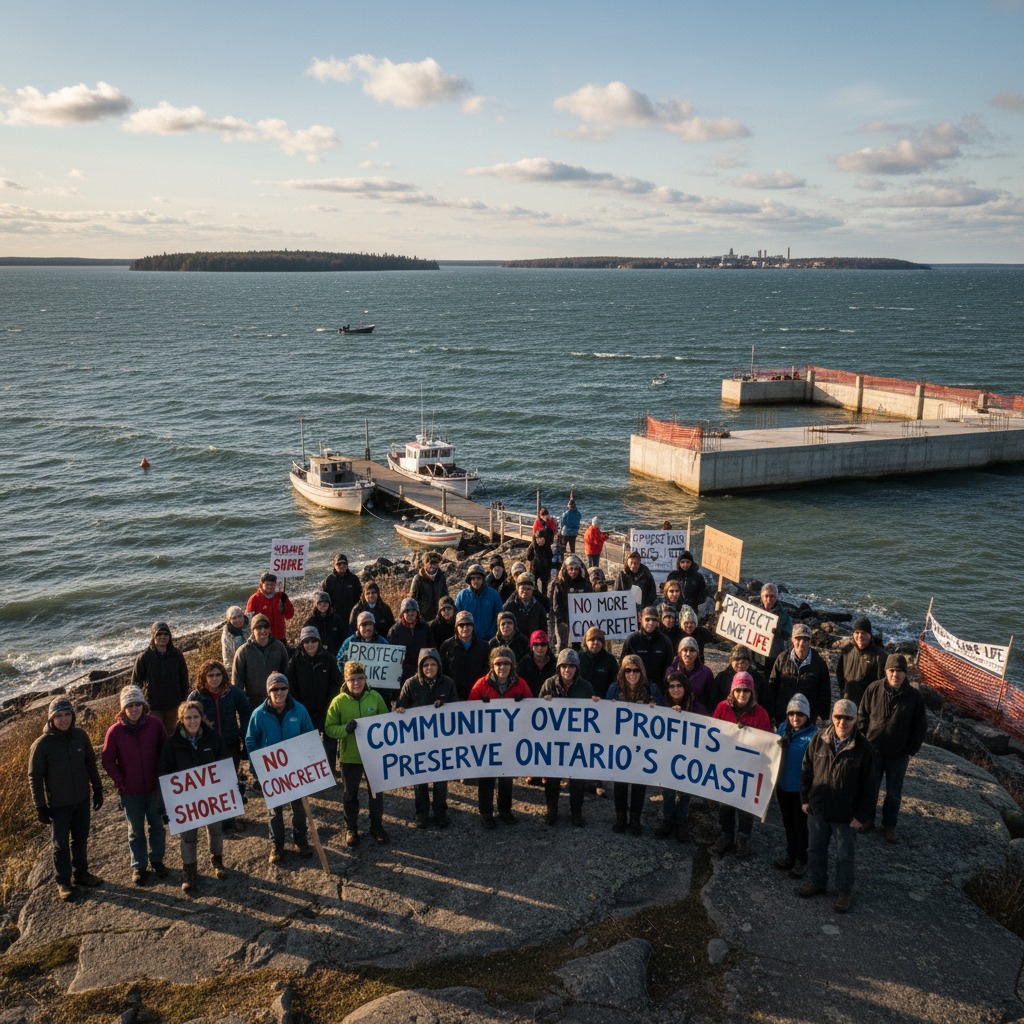
In some cases, communities have taken their fights to the Ontario Land Tribunal, the provincial body that hears appeals of planning decisions. These appeals can be effective, but they require legal representation and expert witnesses, costs that are difficult for a neighbourhood group to absorb. Small-town land use fights often come down to which side can afford to keep going the longest.
Finding a Middle Ground
Not every marina expansion battle ends in total victory for one side. In some communities, the pushback has led to scaled-down proposals that address the worst concerns while still allowing some growth. In Parry Sound, a marina operator revised an expansion plan after community consultations, reducing the number of new slips by half and adding a vegetated buffer zone between the facility and the nearest residential properties.
Other approaches include restricting operating hours, limiting vessel sizes, requiring spill containment systems, and investing in stormwater management to prevent marina runoff from entering the water. These mitigation measures do not eliminate the impacts, but they can reduce them to a level that more residents are willing to accept.
The deeper question is whether Ontario's waterfront communities have a coherent strategy for managing boating growth. Demand for marina space is not going away. If expansion is blocked in one location, the pressure simply shifts to the next harbour down the coast. A more strategic approach, one that identifies where expansion makes environmental and community sense and where it does not, would serve everyone better than the current pattern of project-by-project battles.
For now, communities like Midland are fighting each proposal as it comes, armed with yard signs and packed council chambers. It is a messy form of waterfront planning, but in the absence of better provincial guidance, it is the one they have.