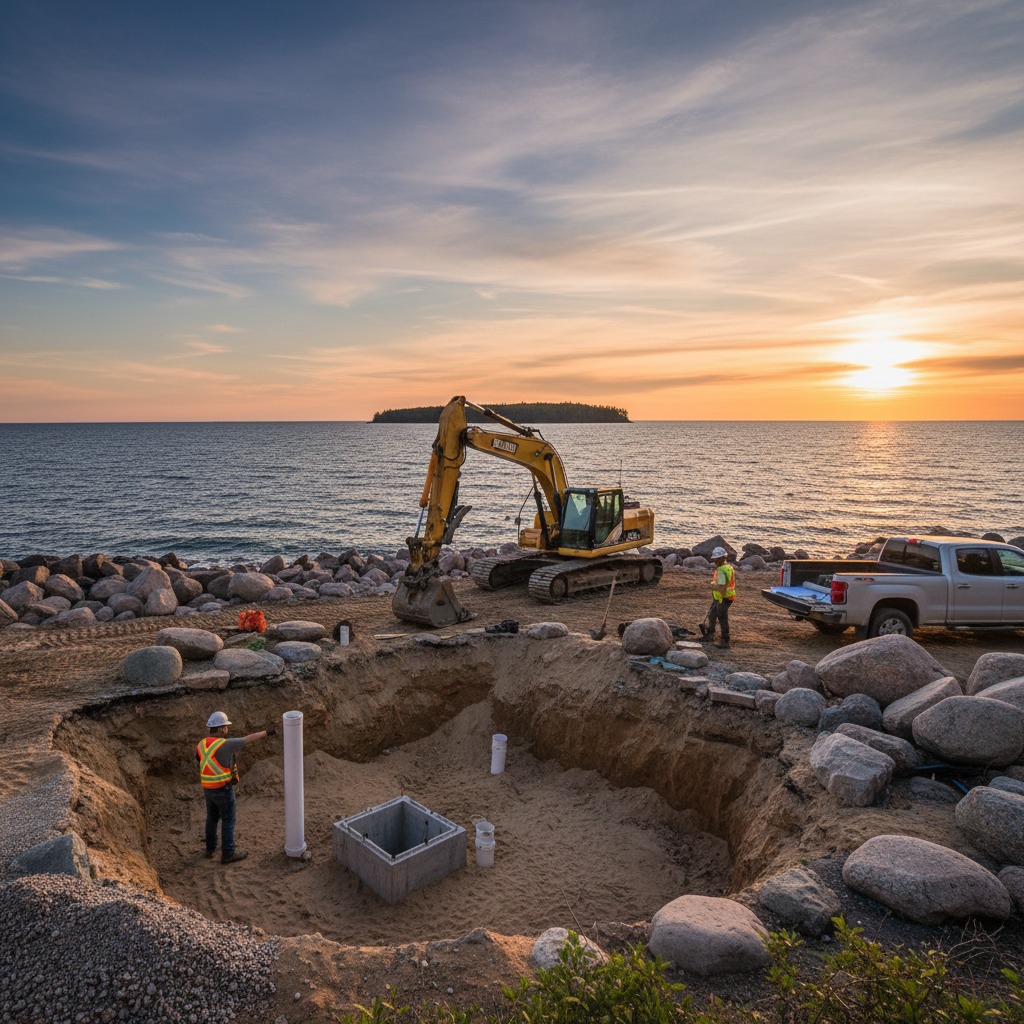
Septic Systems Near the Water: Rules, Risks, and Realities
If you own waterfront property in Ontario, your septic system is probably the least glamorous and most important thing on your land. A failing system near the water does not just create a plumbing problem. It creates an environmental hazard that can contaminate the lake or river you bought the property to enjoy. It can also land you in serious regulatory trouble.
The rules governing septic systems near water are stricter than those for inland properties, and enforcement has tightened considerably over the past decade. Here is what every waterfront property owner needs to understand.
How Ontario Regulates Septic Near Water
Ontario's Building Code governs the installation and maintenance of on-site sewage systems, including septic tanks, holding tanks, and various treatment technologies. Part 8 of the Ontario Building Code (O. Reg. 332/12) sets out the requirements for these systems, including minimum setback distances from water bodies.
The standard minimum setback for a conventional septic bed from any body of water is 15 metres. For properties where this setback cannot be achieved, alternative treatment systems may be required. These advanced systems use technologies like aerobic treatment units, sand filters, or constructed wetlands to provide higher levels of treatment before effluent reaches the soil.

Many older waterfront properties have systems that predate current regulations. A septic system installed in the 1970s might sit just five metres from the shoreline, well within what would now be prohibited. These systems are considered legally non-conforming, meaning they can continue to operate as long as they function properly. But any failure or required replacement triggers the need to meet current standards, which often means a complete system redesign.
The Real Cost of Replacement
Replacing a septic system on a waterfront property is substantially more expensive than on a standard rural lot. Several factors drive the higher costs. Limited space between the house and the water constrains design options. Proximity to the water table can require raised bed systems or specialized treatment units. And the permitting process itself involves additional environmental reviews.
A conventional septic system in rural Ontario typically costs between $15,000 and $25,000 to install. On waterfront properties, expect to pay $25,000 to $50,000, with some complex installations exceeding $60,000. Advanced treatment systems, such as those using Waterloo Biofilter or similar technologies, fall at the higher end of this range.
These costs catch many buyers off guard, particularly those purchasing older cottages with original septic systems. A thorough home inspection should always include a septic assessment, and buyers should budget for potential replacement within the first few years of ownership.
Signs of a Failing System
Septic failure near water rarely announces itself with dramatic symptoms. By the time sewage surfaces in your yard or backs up into your house, the system has likely been underperforming for months or years, quietly leaching contaminants toward the water.
Subtler signs include unusually lush, green grass over the septic bed, even during dry periods. Soft, spongy ground in the leaching area. A faint sewage odour near the shoreline or around the septic components. Algae blooms concentrated near your property. Slow drains throughout the house, particularly after heavy use.
Regular inspections are the best defence. Ontario recommends septic tanks be pumped every three to five years, but waterfront systems may benefit from more frequent service. Have your tank pumped and inspected every two to three years, and ask the pumper to note the condition of the baffles, the tank walls, and the effluent quality.
What Municipalities Are Doing
Several Ontario municipalities have implemented mandatory septic inspection programs for waterfront properties. These programs require regular professional inspections, typically every three to five years, with results reported to the municipality. Properties that fail inspection face orders to repair or replace their systems.

The Township of Rideau Lakes, the Municipality of Dysart et al (Haliburton), and the Town of Gravenhurst are among the municipalities that have been running these programs. The inspections cost property owners $200 to $500 per visit, but they provide early warning of problems that would be far more expensive to address once the system fails completely.
Some municipalities also restrict the conversion of seasonal cottages to year-round homes without septic upgrades. A system designed for summer weekend use may not handle the volume of year-round occupancy. If you are planning to convert your cottage to a permanent residence, expect the municipality to require a septic system evaluation and possible upgrade.
Protecting the Water
The connection between septic systems and water quality is direct and well documented. A leaking or improperly functioning septic system near the water contributes phosphorus, nitrogen, bacteria, and other contaminants to the lake or river. Phosphorus is particularly problematic because it fuels algae growth, which degrades water quality and can produce toxins harmful to humans and animals.
This is not abstract environmental concern. It affects the quality of your well water, the safety of swimming off your dock, and the health of the fishery that makes the lake attractive in the first place. Properties on lakes with documented water quality problems see measurable impacts on resale value.
Simple maintenance practices make a significant difference. Do not flush anything except human waste and toilet paper. Avoid pouring grease, chemicals, or medications down drains. Use water efficiently to avoid overloading the system. Keep heavy vehicles and structures off the septic bed. And maintain a healthy vegetative buffer between the bed and the shoreline to help filter any effluent before it reaches the water.
Before You Buy
If you are considering a waterfront property purchase, the septic system should be near the top of your investigation list. Request the as-built drawing of the system, which shows its location, size, and design. Ask for maintenance records, including pumping dates. Have an independent inspector evaluate the system, not just the home inspector, but a septic specialist.
Ask the municipality whether the property is subject to mandatory inspection programs and whether any orders or notices are outstanding. Check with the local conservation authority about development restrictions that could affect future septic work. And factor potential replacement costs into your purchase decision.
A properly designed, installed, and maintained septic system will serve a waterfront property reliably for 20 to 30 years. An aging, neglected system can fail at any time, creating costs and complications that far exceed the price of preventive maintenance. The choice between the two outcomes is almost entirely within the owner's control.