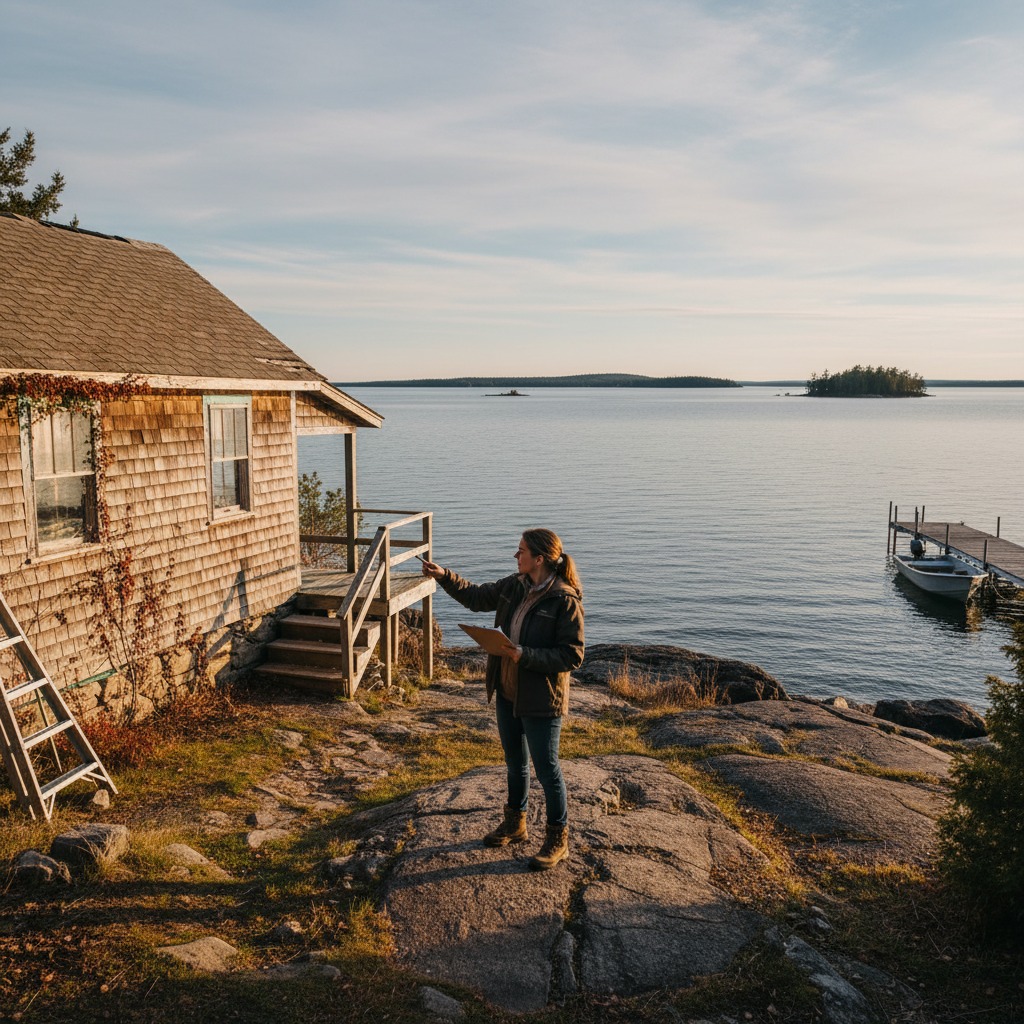
What to Look for in a Waterfront Home Inspection
A waterfront home inspection that follows the same checklist as an urban inspection will miss half the things that matter. The standard process covers structure, roofing, electrical, plumbing, and HVAC. These are all relevant. But waterfront properties have an additional layer of systems, exposures, and risks that require specialized knowledge and specific attention.
Hiring a generalist inspector for a waterfront purchase is like hiring a family doctor for heart surgery. They will catch the obvious problems. The subtle ones, the ones that cost you $50,000 six months after closing, will sail right past them.
Moisture: The Waterfront Constant
Every waterfront building exists in a high-moisture environment. Proximity to water elevates ambient humidity, exposes the building to wind-driven moisture, and raises the water table beneath the foundation. These conditions accelerate deterioration in ways that inland homes simply do not experience at the same rate.
During inspection, look for signs of chronic moisture: peeling paint on exterior surfaces (particularly the water-facing side), mould or mildew in basements and crawl spaces, condensation between window panes, soft or spongy spots in flooring near exterior walls, and rust on metal fixtures and hardware.
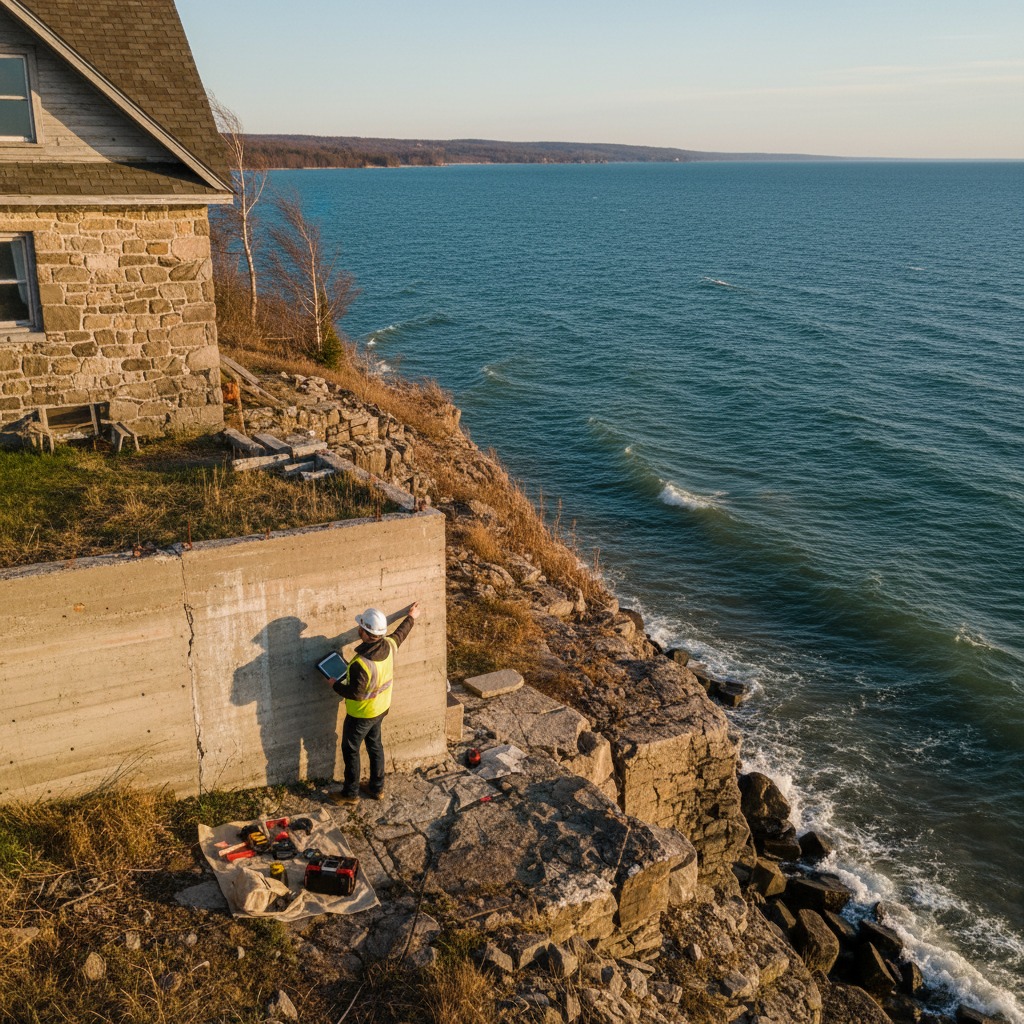
The foundation deserves particular scrutiny. Waterfront foundations contend with higher water tables, seasonal fluctuations in soil moisture, and sometimes direct wave action during storms. Cracks in poured concrete foundations, deteriorating mortar in block foundations, and evidence of water penetration through foundation walls are all more common and more significant on waterfront properties.
Insist on moisture readings from multiple locations in the building. A quality inspector will use a moisture meter to check walls, floors, and structural members in the lowest levels of the home. Readings above 20 percent in wood indicate active moisture problems that will lead to rot and structural compromise if not addressed.
The Septic Assessment
A septic system inspection should be a non-negotiable condition of any waterfront property purchase. This is not a task for your home inspector. Hire a qualified septic professional who will pump the tank, inspect its interior condition, and assess the leaching bed.
The inspector should check the tank for cracks, deteriorating baffles, and evidence of groundwater infiltration. The leaching bed should be assessed for signs of failure: ponding, saturated soil, odour, or unusually lush vegetation. If the system is old or shows signs of stress, a camera inspection of the distribution pipes provides additional information about their condition.
Request the system's as-built drawing and maintenance records. A system with regular pumping records and a documented maintenance history is far more likely to be in good condition than one with no records at all. The absence of maintenance records should increase your scrutiny, not decrease it.
Well Water Testing
The well inspection covers both the physical infrastructure and the water quality. A well contractor should assess the wellhead condition, casing integrity, pump function, and pressure system. Comprehensive water quality testing should cover bacteria (E. coli and total coliforms), nitrates, pH, hardness, iron, manganese, and ideally a broader panel that includes arsenic, lead, uranium, and volatile organic compounds.
Do not rely solely on the free provincial bacterial test. While it provides useful information, it does not cover the chemical parameters that affect health, safety, and the cost of water treatment. A full chemical analysis from a certified laboratory costs $150 to $300 and provides a complete picture of your water quality.
Shoreline Condition
The shoreline is part of the property and should be part of the inspection. Walk the entire waterfront boundary and look for active erosion, bank instability, displaced retaining structures, and changes in vegetation that suggest recent disturbance.
If the property has shoreline protection structures (retaining walls, armour stone, seawalls), assess their condition. Walls that have tilted, cracked, or separated are failing and will need repair or replacement. Armour stone that has shifted or washed away is not providing the protection it was designed for. These repairs can cost thousands to tens of thousands of dollars, and understanding their scope before purchase allows you to negotiate or budget accordingly.
Ask about historical erosion rates. Neighbours, the local conservation authority, and historical aerial photographs can all provide information about how the shoreline has changed over time. A property losing 30 centimetres of shoreline per year has a measurably shorter useful life than one that has been stable for decades.
Dock and Marine Structures
Inspect the dock, boathouse, and any other marine structures. For docks, check the crib or foundation condition, the decking for rot and structural integrity, and the hardware for corrosion. Determine whether the dock is seasonal (removed each fall) or permanent, and whether it has the required municipal and provincial permits.
Boat lifts, marine railways, and other equipment should be tested for function. These items have significant replacement costs ($3,000 to $20,000 depending on the type) and their condition affects the property's usability and value.
Electrical and Heating Systems
Waterfront properties, particularly older cottages converted to year-round use, often have electrical systems that were not designed for their current demand. A cottage wired for summer use with 60-amp service and limited circuits may be inadequate for year-round living with modern appliances, electric heating, and hot tubs.
Heating systems in waterfront homes work harder than in sheltered inland locations. Assess the age, condition, and capacity of the heating system relative to the building's actual heating demand. Undersized or aging systems that struggle to maintain temperature during cold, windy conditions will need earlier replacement.
Check for backup heating and power options. Many waterfront properties rely on propane or oil delivery for heating, and storm-related power outages can be longer in rural areas. A generator, wood stove, or backup heating source is not a luxury on the waterfront. It is a necessity for year-round living.
Your Inspection Team
For a thorough waterfront property inspection, plan on engaging three to four professionals: a home inspector with waterfront experience, a septic system inspector, a well contractor, and potentially a structural engineer if the foundation or shoreline structures raise concerns. Total inspection costs will run $1,500 to $3,000, which is a fraction of the cost of the problems these inspections can identify.
Do not compress the inspection timeline. Waterfront inspections take longer than standard ones because there is more to inspect. Allow a full day for the process and be present for as much of it as possible. The conversations you have with inspectors on site often reveal as much as their written reports.
A comprehensive inspection protects your investment in a way that no post-purchase discovery can. The knowledge you gain during inspection shapes not just whether you buy, but how you negotiate, what you budget for, and how you plan your first years of ownership on what may be the most significant purchase of your life.