How Shoreline Erosion Is Reshaping the Great Lakes
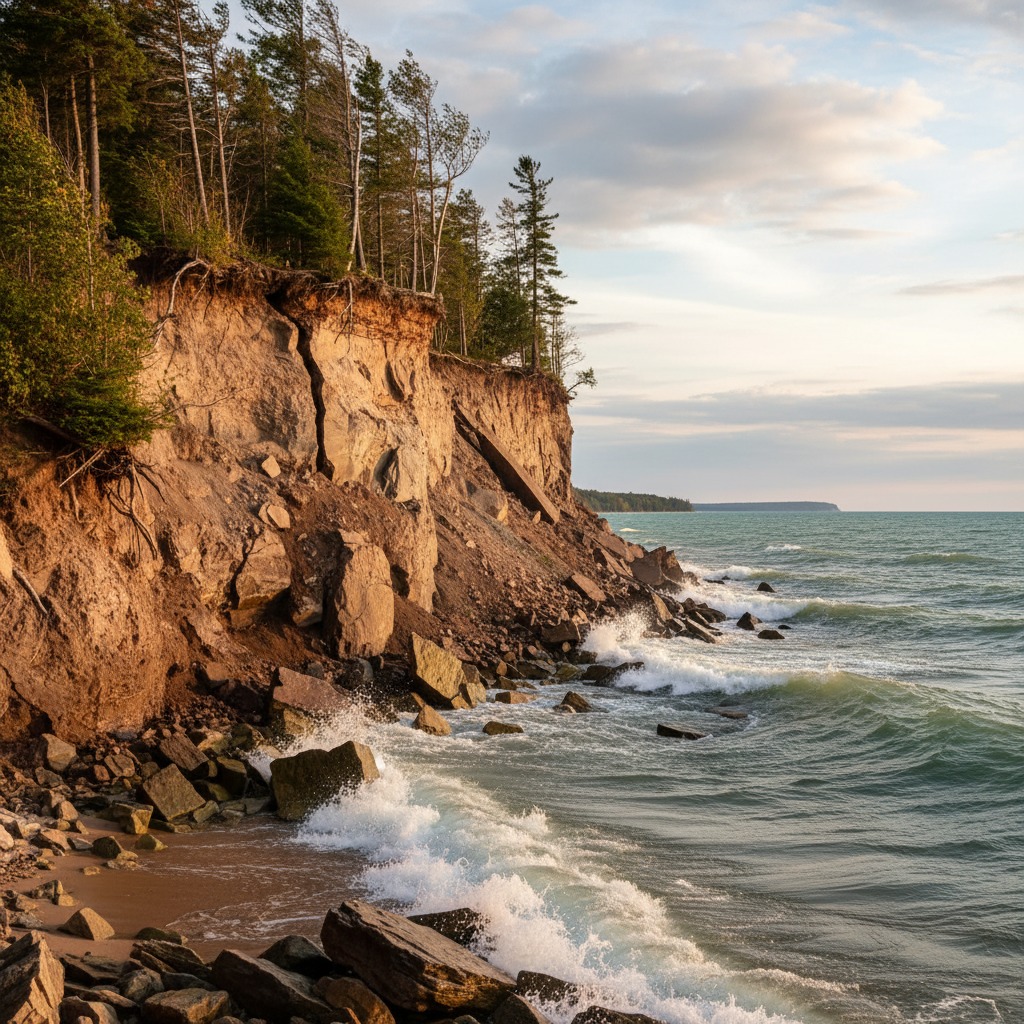
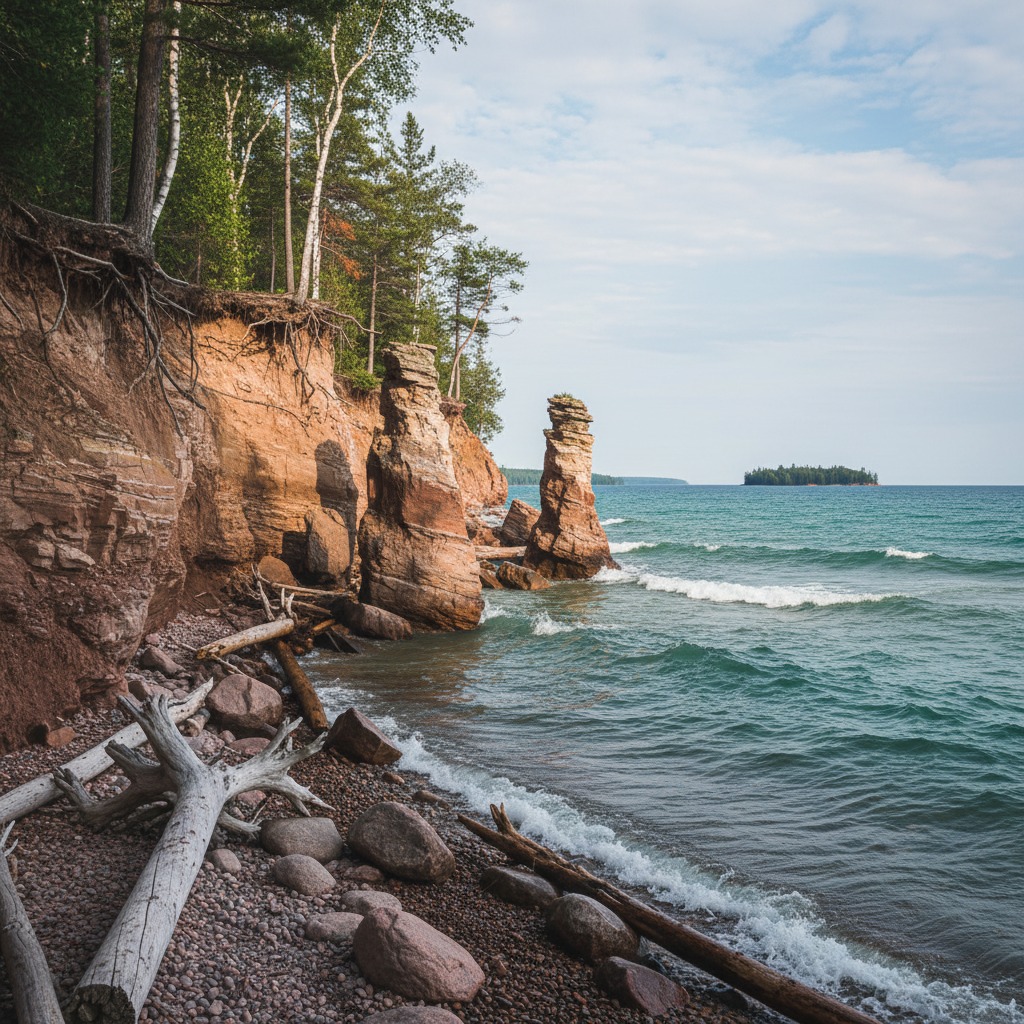
Drive along the Lake Huron shoreline near Goderich in late summer and the evidence is hard to ignore. Chunks of clay bluff lie scattered on the beach like fallen masonry. Trees that once stood twenty metres from the edge now dangle their root systems over open air. In some spots, entire sections of lawn have calved off and slumped into the lake. This is shoreline erosion at work, and across the Great Lakes basin, it is picking up speed.
Erosion along the Great Lakes is not new. The bluffs and beaches that define Ontario's coastline have been shaped by wave action for thousands of years. But the past decade has introduced a combination of factors that has turned a gradual geological process into a pressing concern for homeowners, municipalities, and conservation agencies alike.
What Is Driving the Acceleration
Three forces have converged to speed up erosion along the Great Lakes. The first is water levels. Between 2017 and 2020, Lake Ontario, Lake Erie, and Lake Huron all recorded water levels at or near historic highs. Higher water means waves reach farther up the shore, attacking sections of bluff and bank that had been protected for decades. When the water recedes, those newly exposed surfaces are left vulnerable to freeze-thaw cycles and rainfall.
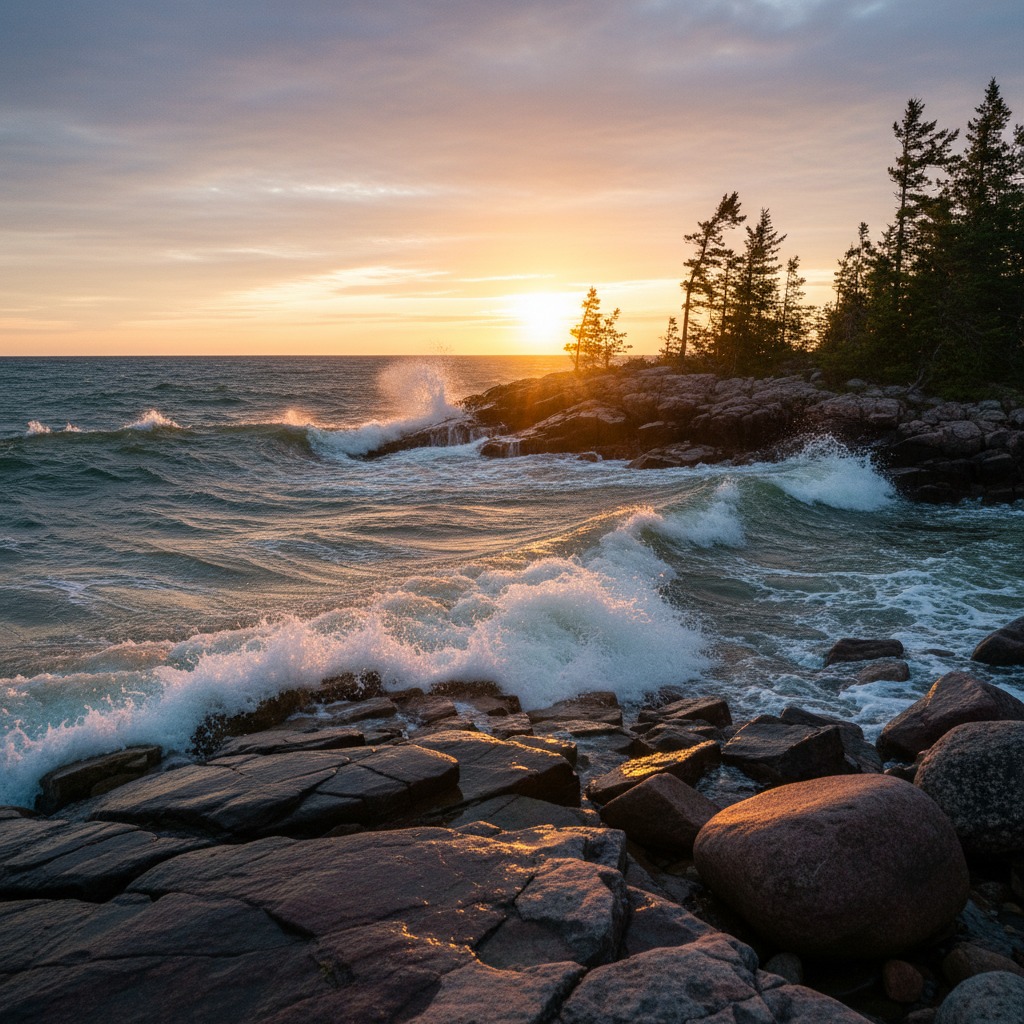
The second factor is storm intensity. Climate data from Environment and Climate Change Canada shows that the frequency of severe wind events over the Great Lakes has increased since the 1990s. Stronger storms generate larger waves, and those waves carry more energy when they strike the shore. A single November gale can remove several metres of bluff in a matter of hours.
The third, and often overlooked, factor is reduced ice cover. Ice that forms along the shoreline in winter acts as a natural buffer, absorbing wave energy before it reaches the land. But ice coverage on the Great Lakes has declined by roughly 70 percent since the 1970s, according to the NOAA Great Lakes Environmental Research Laboratory. With less ice in place, winter storms that once spent their force on a frozen surface now slam directly into exposed soil and rock.
The Scale of the Problem
The numbers tell a stark story. Along portions of Lake Erie's north shore, bluff recession rates have doubled in the last fifteen years. Near Port Bruce, some properties have lost more than 30 metres of land since 2015. On Lake Huron, the Bluewater shoreline south of Grand Bend has seen sections retreat at rates exceeding two metres per year.
These are not just rural problems. The City of Toronto has spent millions reinforcing the Scarborough Bluffs, a stretch of glacial sediment cliffs that erode unpredictably and occasionally drop large sections onto the beach below. In 2023, Chatham-Kent declared a state of emergency after storm surge flooded low-lying shoreline roads and undermined protective berms along Lake Erie's eastern basin.
Why Hard Armouring Is Not Always the Answer
The instinctive response to erosion is to build something solid in front of it. Concrete seawalls, sheet pile retaining walls, and stacked armour stone have been the go-to solutions for decades. They work, for a while, but they come with trade-offs that are only now getting the attention they deserve.
Hard structures reflect wave energy rather than absorbing it. That reflected energy has to go somewhere, and it often travels laterally along the shore, accelerating erosion on neighbouring properties. This is known as the "flanking effect," and it has been the source of countless disputes between lakefront property owners. You protect your lot, and the lake takes your neighbour's instead.
There is also the question of habitat. Rocky and sandy nearshore areas are critical spawning and nursery habitat for species like smallmouth bass, walleye, and lake whitefish. When those areas get sealed behind concrete, the habitat disappears. Research from Fisheries and Oceans Canada has linked shoreline hardening to measurable declines in nearshore fish diversity across the Great Lakes.
For a closer look at how development pressure affects aquatic life, see our report on what happens to fish habitat when shorelines get developed.
Emerging Alternatives
Conservation authorities across Ontario are increasingly promoting "living shorelines" as an alternative to hard armouring. These projects use a combination of native plantings, biodegradable erosion control fabrics, and strategically placed natural materials like logs and boulders to stabilize the bank while preserving ecological function.
The Nottawasaga Valley Conservation Authority, which oversees a long stretch of Georgian Bay coastline, has been piloting living shoreline installations at several sites since 2019. Early monitoring data suggests these projects reduce erosion rates by 40 to 60 percent while actually improving habitat quality. Whether they hold up through a truly severe storm season remains to be seen. We explored this topic in depth in our piece on whether naturalized shorelines actually work.
What Property Owners Can Do
For those who own lakefront land, the first step is understanding the specific erosion risks on their property. Conservation authorities maintain hazard mapping that identifies erosion-prone areas, and many offer free consultations for shoreline property owners. Getting a professional assessment before investing in any protection measures can save tens of thousands of dollars in misguided construction.
Maintaining vegetative buffers along the top and face of a bluff is one of the most cost-effective erosion control measures available. Deep-rooted native shrubs and grasses bind the soil and slow surface water runoff, which is a major contributor to bluff face erosion. Removing trees and shrubs to improve a lake view, a common temptation, can dramatically accelerate the very erosion that threatens the property.
Managing stormwater is equally important. Roof drains, driveway runoff, and even lawn irrigation that flow toward the bluff edge concentrate water in ways that carve channels through the soil. Redirecting that water away from the edge, or filtering it through rain gardens and swales, reduces the erosive load significantly. For more on how runoff affects waterfront areas, see our coverage of stormwater runoff in waterfront towns.
A Shifting Baseline
One of the harder truths about Great Lakes erosion is that retreat is, in many places, inevitable. The lake is reclaiming land that was deposited thousands of years ago by retreating glaciers. Human intervention can slow the process, but stopping it entirely would require engineering on a scale that no municipality can afford and no ecosystem can sustain.
The conversation is slowly shifting from "how do we stop erosion" to "how do we adapt to it." That means setback requirements for new construction, managed retreat programs for the most vulnerable properties, and a fundamental rethinking of what it means to live on the edge of a Great Lake. Conservation authorities play a central role in shaping these policies, and their regulatory framework is evolving to match the scale of the challenge. Our article on how conservation authorities regulate shoreline activity breaks down the current rules and where they are headed.
The Great Lakes shoreline has never been static. But the pace of change today is unlike anything most lakefront communities have experienced in living memory. Adapting to that reality will require a blend of science, policy, and the willingness to accept that the water's edge is, and always has been, a moving target.