Brownfield Sites and Waterfront Redevelopment
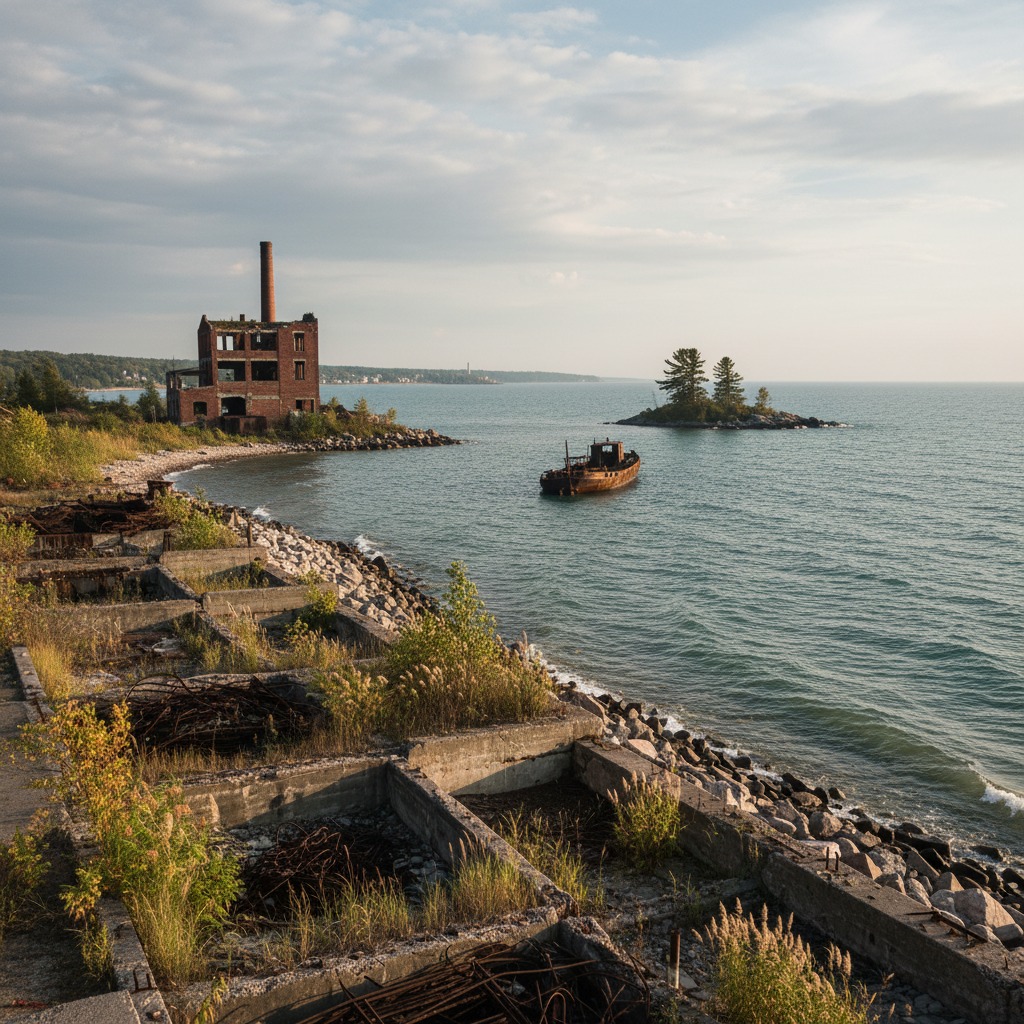
On the south shore of Hamilton Harbour, a 330-hectare tract of former industrial land sits between the city and the water. For most of the 20th century, this land housed steel mills, chemical plants, and heavy manufacturing operations that drove Hamilton's economy. When the industries shut down, they left behind contaminated soil, polluted groundwater, and a waterfront that residents could not safely access. The Randle Reef project, a $138.9-million sediment remediation effort, has been underway since 2015 to clean up just one of the contaminated areas in the harbour. It is one of the most expensive environmental cleanups in Canadian history.
Hamilton's situation is extreme, but it illustrates a pattern found across Ontario. Many of the province's most desirable waterfront locations are also its most contaminated. The same water access and transportation links that attracted industry in the 19th and 20th centuries make these sites attractive for residential, commercial, and recreational redevelopment today. The problem is what lies beneath the surface.
What Makes a Site a Brownfield
A brownfield is a property where past industrial or commercial activities have left contamination in the soil, groundwater, or both. In Ontario, common contaminants on waterfront brownfield sites include petroleum hydrocarbons from fuel storage and distribution, heavy metals from manufacturing and smelting, polychlorinated biphenyls (PCBs) from electrical equipment, and a variety of industrial solvents and chemicals.
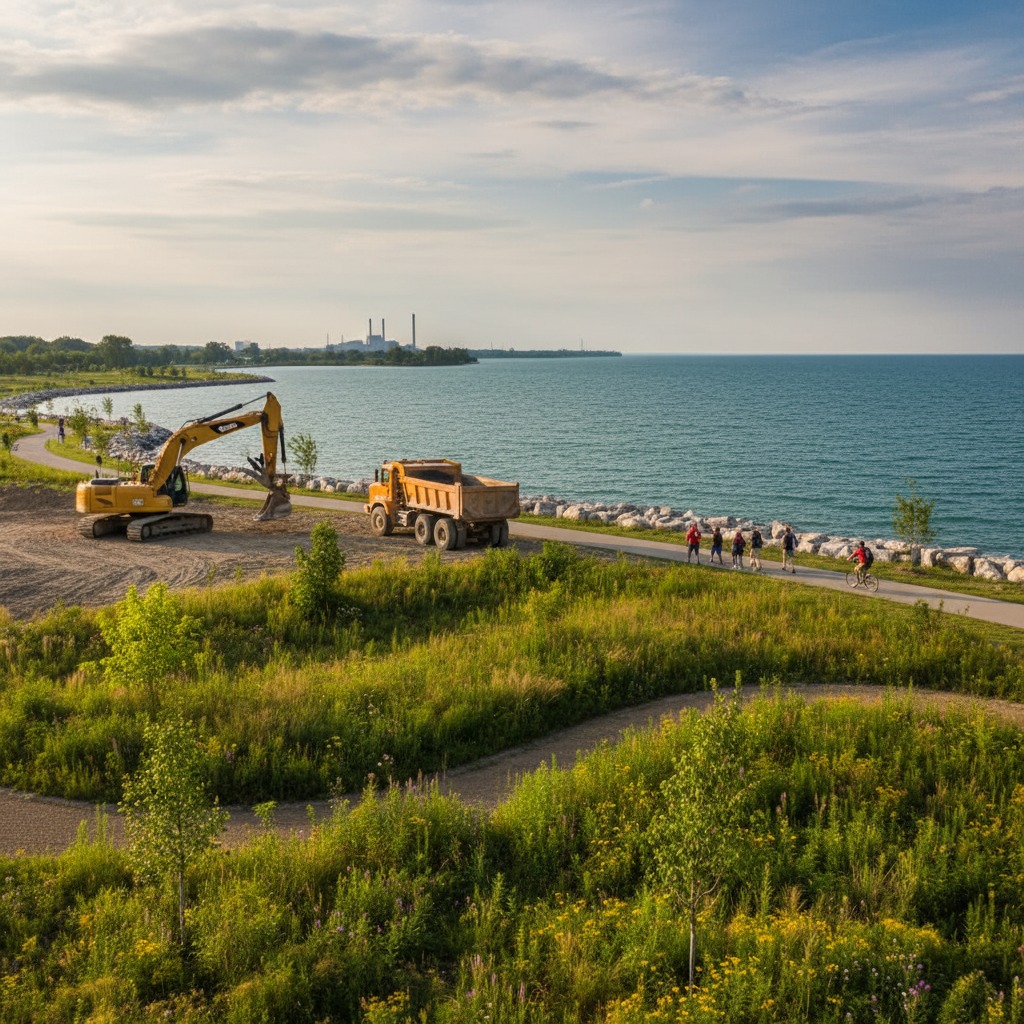
The contamination is often extensive. Industrial operations that ran for decades, sometimes with little environmental regulation, deposited contaminants deep into the soil profile. In many cases, the contamination has migrated into the groundwater and from there into the adjacent waterbody. Cleaning up these sites requires removing or treating contaminated material, which can be enormously expensive.
Ontario's Environmental Protection Act and the associated soil and groundwater cleanup regulations set the standards that must be met before a contaminated site can be redeveloped. The province uses a risk-based approach, which means that the required cleanup level depends on the intended future use of the site. A property being converted to residential use requires a more thorough cleanup than one being redeveloped for commercial or industrial purposes, because residents have higher exposure levels.
Why Waterfront Brownfields Are Attractive
Despite the challenges, waterfront brownfield sites attract developer interest because of their location. Waterfront land is scarce and valuable. A contaminated former industrial site on the harbour may be the only large, undeveloped parcel of waterfront land in a community. The premium that buyers will pay for waterfront living can justify the cost of cleanup, at least in theory.
Municipalities also have strong incentives to encourage brownfield redevelopment. A contaminated, vacant property generates minimal tax revenue and often imposes costs on the municipality through monitoring, security, and liability management. Redeveloping the site transforms it into a tax-generating property and can serve as a catalyst for broader waterfront revitalization.
The Ontario government has created several programs to encourage brownfield redevelopment, including tax increment financing tools that allow municipalities to freeze property taxes at the pre-development level during the cleanup phase. The province has also established a Record of Site Condition registry that provides a standardized process for documenting site assessments and cleanup activities.
The Challenges
For all the incentives, waterfront brownfield redevelopment remains difficult. The biggest obstacle is cost uncertainty. Environmental site assessments can identify known contamination, but unexpected discoveries during construction, a buried tank, a pocket of contaminated soil, a previously unknown waste deposit, can blow a project's budget. Developers who have been through the process describe it as "buying a problem and hoping it is smaller than you think."
Liability is another major concern. Under Ontario's environmental law, the party that caused the contamination is responsible for cleanup. But in many cases, the original polluter is long gone, bankrupt, or impossible to identify. The liability then shifts to the current property owner, which discourages buyers and makes financing difficult. Lenders are reluctant to mortgage properties with environmental liabilities, and insurers may refuse to cover contamination-related claims.
The timeline for brownfield projects is often much longer than for conventional developments. A site assessment alone can take months. Cleanup can take years. Regulatory approvals add more time. In a real estate market where timing is critical, these delays can make the difference between a profitable project and a financial disaster.
Success Stories and Cautionary Tales
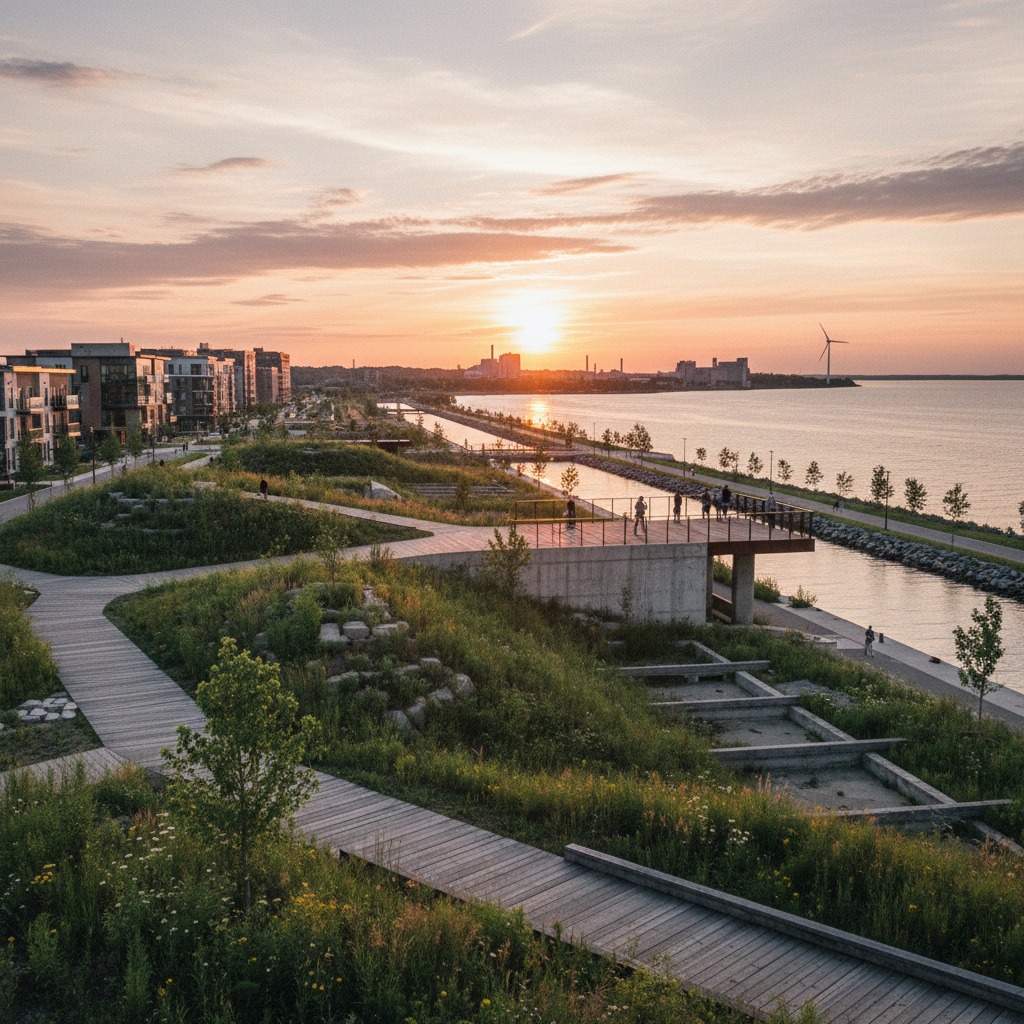
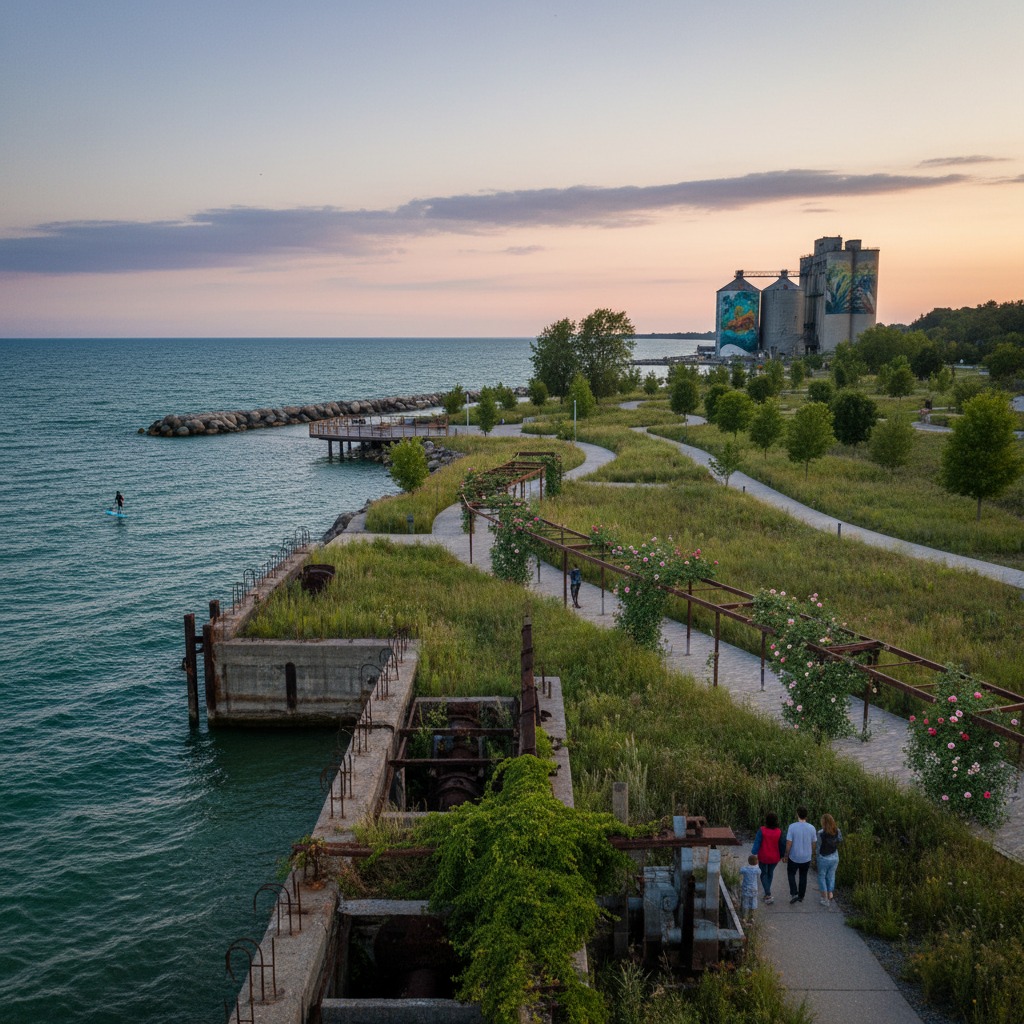
Ontario has produced several notable brownfield redevelopment successes. The Distillery District in Toronto, built on the former Gooderham and Worts distillery site, has become one of the city's most popular cultural and commercial destinations. The Port Lands revitalization, also in Toronto, is transforming a massive expanse of contaminated industrial waterfront into a mixed-use community with extensive public parkland.
Smaller communities have their own success stories. In Port Hope, the federal government is spending over $1.2 billion to clean up low-level radioactive waste left by a former refining operation. The cleanup, which has been underway for years, will eventually free up waterfront land for community use. In Midland, a former lumber yard on the harbour has been redeveloped as a mixed-use project with public waterfront access.
The cautionary tales are less well publicized but equally instructive. Projects that underestimated cleanup costs have stalled midway through construction, leaving communities with partially developed sites that are worse than what was there before. In some cases, developers have walked away from projects after discovering that the contamination was more extensive than their assessments had predicted, leaving the municipality to deal with the consequences.
What Communities Should Know
For communities with waterfront brownfield sites, the path to redevelopment requires patience, expertise, and realistic expectations. A thorough site assessment before any development proposal is considered is essential. The assessment should be conducted by qualified environmental professionals and should include Phase I (historical review), Phase II (soil and groundwater sampling), and potentially Phase III (risk assessment) investigations.
Municipal brownfield incentive programs, such as tax increment financing, fee waivers, and grant programs, can help close the financial gap between cleanup costs and development value. Communities that have adopted comprehensive brownfield strategies tend to attract more developer interest than those that approach contaminated sites on an ad hoc basis.
Public engagement is also critical. Brownfield redevelopment projects on the waterfront affect the entire community, not just the immediate neighbours. Questions about what the site should become, how much public access should be provided, and what level of cleanup is acceptable deserve broad community input. The condo tower that a developer wants to build may not be what the community needs or wants on its recovered waterfront.
Waterfront brownfields represent both a challenge and an opportunity. The contamination left by past industries is a legacy that cannot be ignored. But with careful planning, adequate resources, and genuine community engagement, these sites can be transformed from liabilities into assets, giving communities back the waterfront access that industry took away generations ago.