Microplastics in Freshwater: How Big Is the Problem?
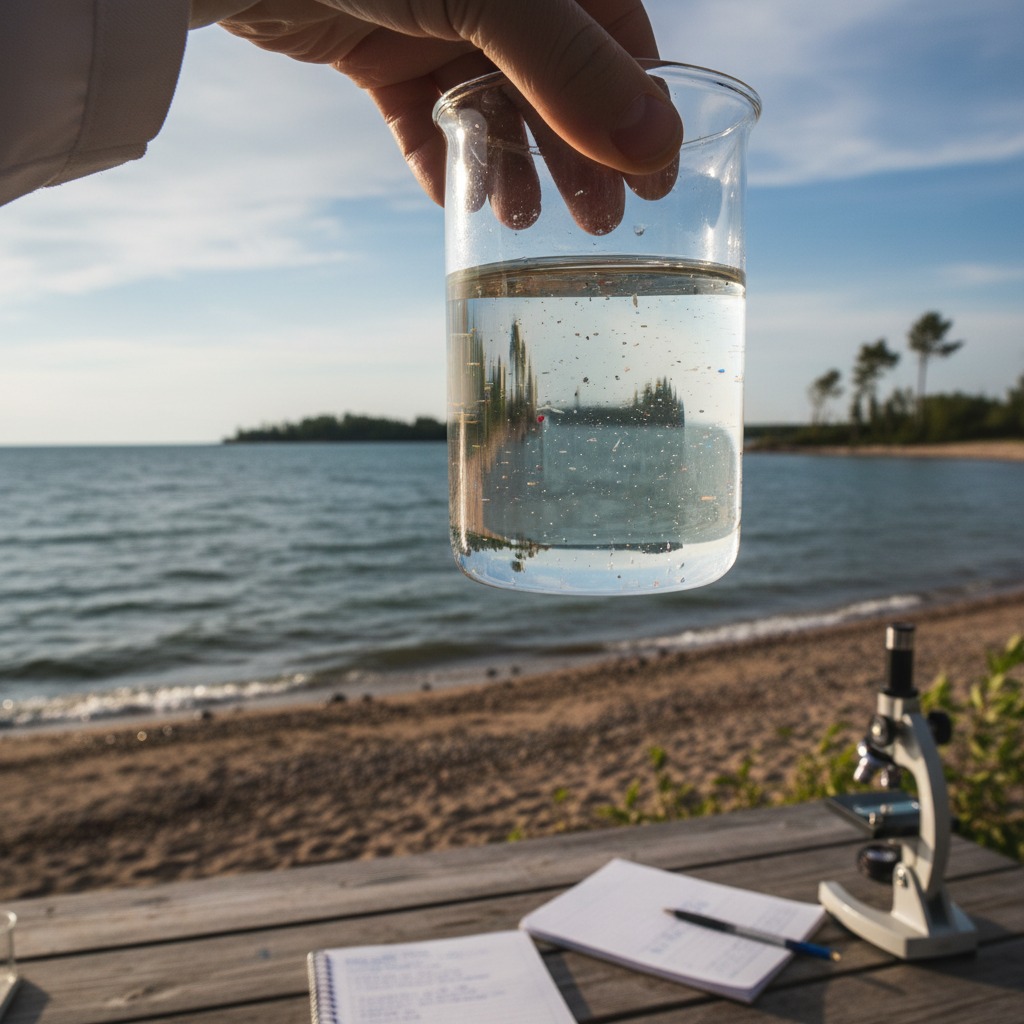
In 2022, a research team from the University of Toronto dragged a fine-mesh net through the surface waters of Lake Ontario near the mouth of the Humber River. When they examined the samples under a microscope, they found an average of 1.2 million microplastic particles per square kilometre. Tiny fibres from synthetic clothing. Fragments of degraded packaging. Microbeads from cosmetic products banned years earlier but still circulating in the lake's sediment. The samples told a story of contamination that is pervasive, persistent, and growing.
Microplastics, defined as plastic particles smaller than five millimetres, have become one of the most significant emerging contaminants in freshwater systems worldwide. The Great Lakes, holding roughly 20 percent of the world's surface freshwater, are no exception. In fact, their combination of dense surrounding population, industrial history, and relatively slow water turnover makes them particularly vulnerable to accumulation.
Where They Come From
The sources of microplastics in the Great Lakes are as varied as the plastics industry itself. Wastewater treatment plants are a major pathway. Every load of laundry sheds hundreds of thousands of synthetic fibres, most of which pass through conventional treatment systems and enter receiving waters. A single polyester fleece jacket can release up to 250,000 fibres per wash cycle.
Stormwater runoff carries tire wear particles, one of the largest single sources of microplastics by mass. As tires roll against pavement, they shed microscopic fragments of synthetic rubber that wash into storm drains and eventually reach rivers and lakes. A 2021 study estimated that tire wear contributes between 25 and 30 percent of all microplastics entering the Great Lakes.
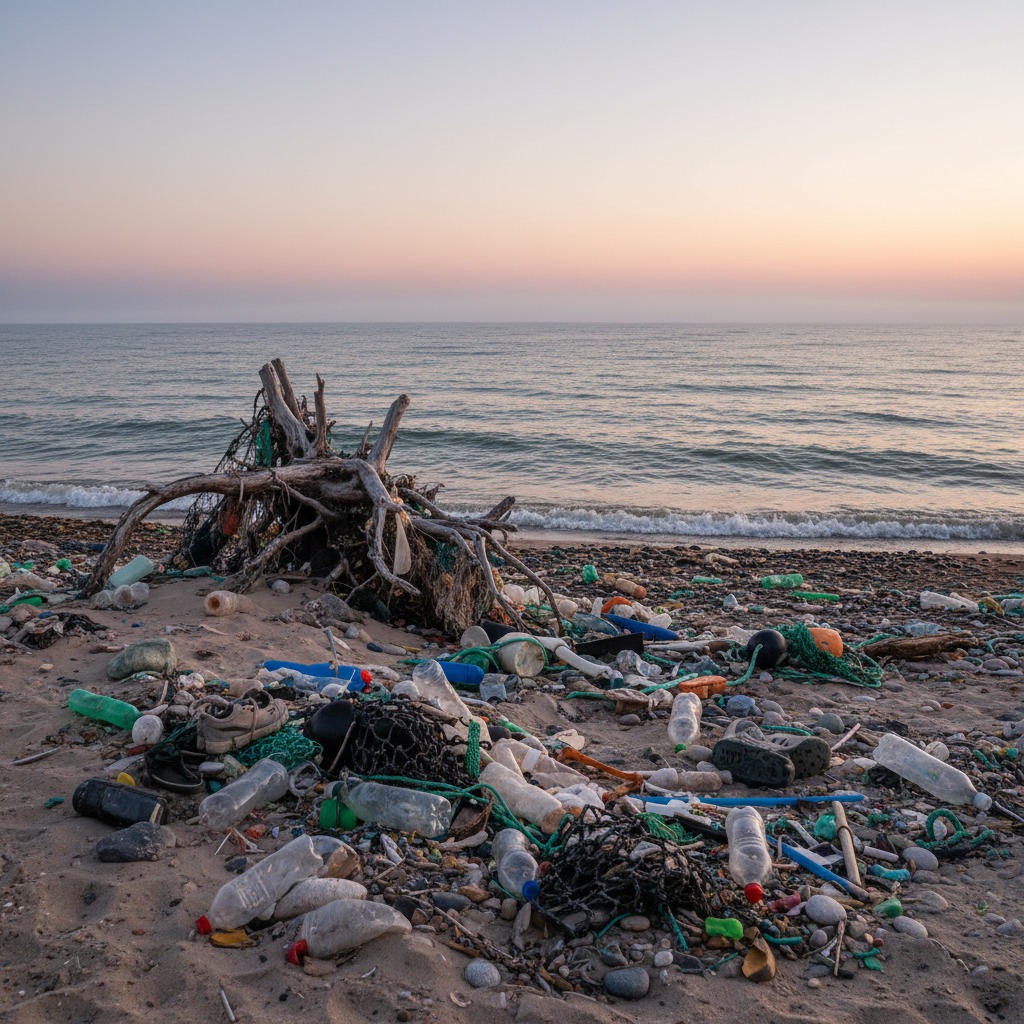
Agricultural plastic mulch, degraded litter, industrial pellet spills, and the breakdown of larger plastic debris all add to the load. Even road salt, which accelerates the degradation of roadside plastic debris, plays an indirect role by increasing the rate at which larger items fragment into microplastics.
The sheer volume is difficult to comprehend. The Government of Canada's science assessment on plastic pollution estimated that Canadians throw away 3.3 million tonnes of plastic every year, and a significant fraction of that material ends up in waterways either directly or through gradual degradation and transport.
What Happens Once They Are in the Water
Microplastics do not simply float passively through the water column. Their behaviour depends on polymer type, size, shape, and the degree of biofouling that occurs when microorganisms colonize their surfaces. Less dense plastics like polyethylene and polypropylene initially float near the surface, where they are ingested by filter-feeding organisms and small fish. As biofilms develop on the particles, they gain weight and begin to sink, eventually accumulating in bottom sediments where they can persist for decades or longer.
Lake Ontario's deepest sediments now contain microplastic concentrations that increase steadily from layers deposited in the 1960s to the present, creating a stratigraphic record of the plastic age. Lake Erie, the shallowest and warmest of the Great Lakes, shows particularly high concentrations in its western basin, where agricultural runoff and urban discharge from Toledo and Detroit converge.

The Ecological and Health Concerns
The ecological effects of microplastics in freshwater systems are still being catalogued, but the evidence so far is concerning. Laboratory studies have shown that microplastic ingestion can cause physical damage to the digestive tracts of fish, reduce feeding efficiency, impair reproductive success, and alter behaviour. Zooplankton exposed to microplastics show reduced growth rates and reproductive output, effects that ripple up through the food web.
Perhaps more worrying than the plastics themselves are the chemicals they carry. Microplastics act as vectors for persistent organic pollutants, heavy metals, and endocrine-disrupting compounds. PCBs, long banned but still present in Great Lakes sediments, adsorb readily onto microplastic surfaces. When a fish ingests a contaminated particle, those chemicals can leach into its tissue at concentrations far higher than those found in surrounding water.
The implications for human health are still uncertain but increasingly studied. Microplastics have been detected in treated drinking water drawn from the Great Lakes, though concentrations are typically low. The long-term effects of chronic low-level exposure through drinking water and fish consumption remain an active area of research. What is clear is that anyone who depends on Great Lakes water, and that includes roughly 40 million people in Canada and the United States, has a stake in understanding and addressing this contamination.
Can It Be Cleaned Up?
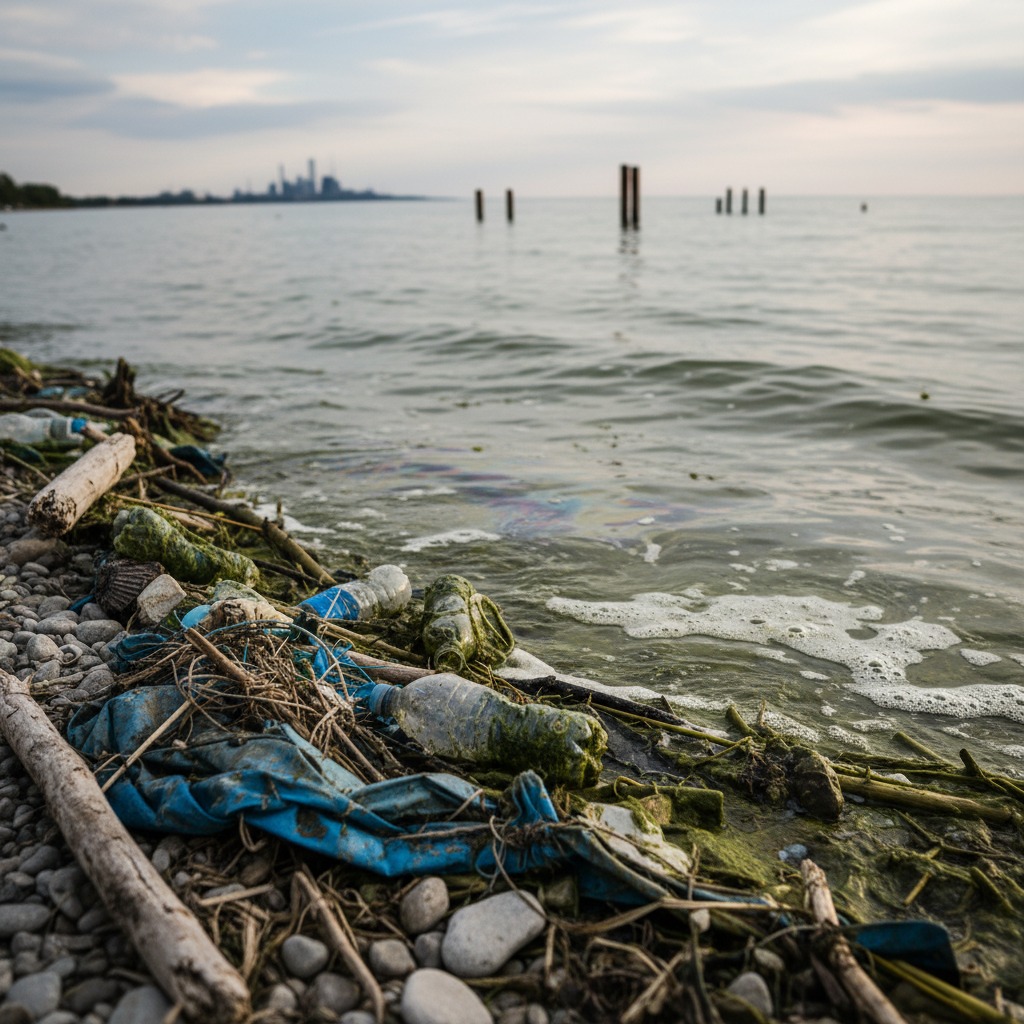
Removing microplastics from an open water system as vast as the Great Lakes is, for all practical purposes, impossible with current technology. The particles are too small, too dispersed, and too numerous. The focus instead has shifted to source reduction: stopping plastics from entering the water in the first place.
Upgrades to wastewater treatment plants represent one of the most impactful interventions. Tertiary treatment systems with membrane filtration can capture the vast majority of microplastic particles, including synthetic fibres from laundry discharge. Several Ontario municipalities have invested in treatment upgrades, though the cost is substantial and progress across the province remains uneven.
Stormwater management is another critical front. Bioretention systems, constructed wetlands, and oil-grit separators can intercept microplastics before they reach watercourses. Communities that invest in robust stormwater infrastructure protect not only against microplastic contamination but also against the sediment loading that threatens fish spawning habitat and the nutrient runoff that fuels algal blooms.
Citizen science programs have begun incorporating microplastic sampling into their monitoring protocols, giving communities the tools to track contamination levels in their local waterways. These grassroots efforts generate valuable data while building public awareness of a problem that remains invisible to the naked eye but profoundly consequential for the health of freshwater ecosystems.
The microplastics problem will not be solved by any single policy or technology. It demands a fundamental shift in how we produce, use, and dispose of plastic materials. For the Great Lakes, that shift cannot come soon enough.