Road Salt Is Poisoning Our Waterways and Nobody Talks About It
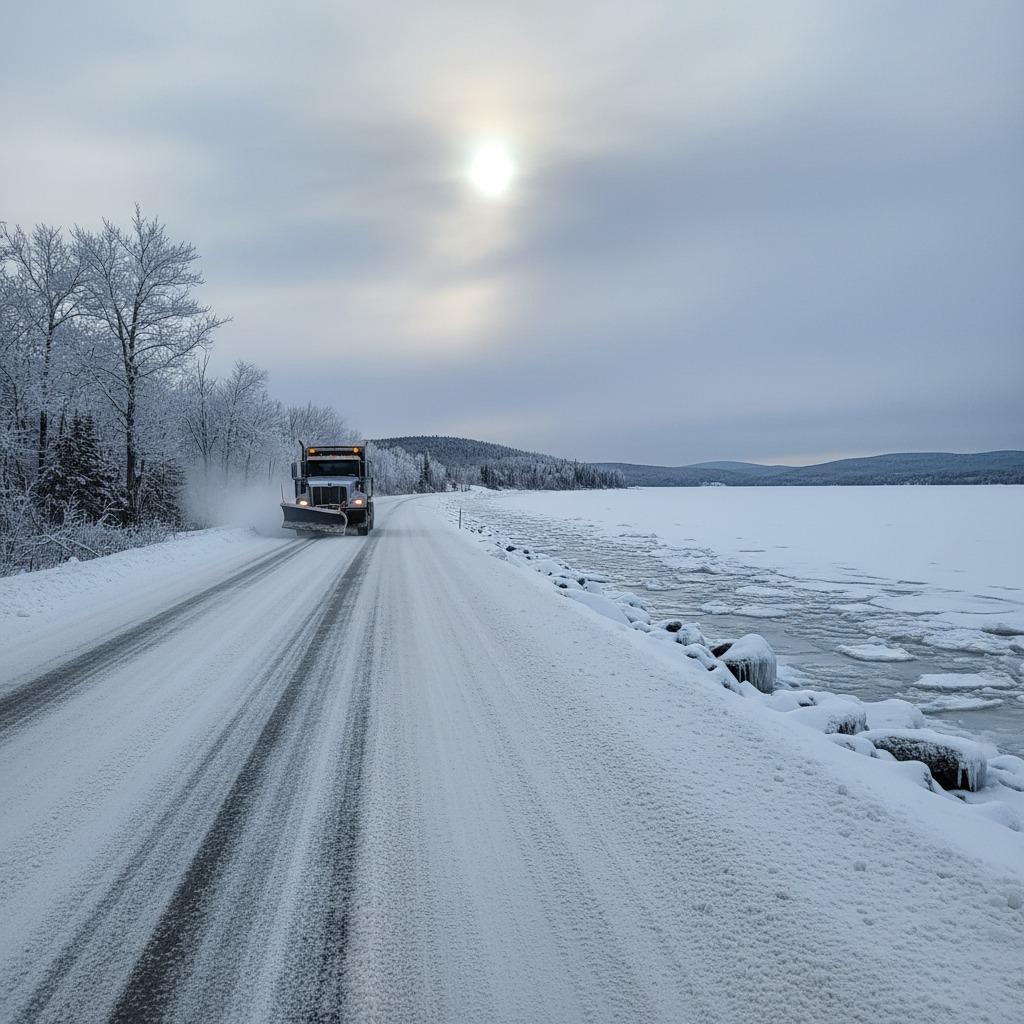
Canada uses approximately five million tonnes of road salt every year. Ontario alone accounts for a substantial portion of that total, spreading sodium chloride across highways, municipal roads, sidewalks, and parking lots from November through April. The salt does its job: it melts ice, improves traction, and saves lives. But every grain of salt that hits the pavement eventually ends up somewhere else. And that somewhere else is almost always a waterbody.
The environmental toll of road salt is one of the least discussed water quality issues in the province. Chloride, the chemical component of salt that causes ecological harm, does not break down, does not evaporate, and does not get filtered out by conventional water treatment. Once it enters a lake, river, or aquifer, it stays. And across southern Ontario, chloride concentrations are rising steadily, year after year, with no peak in sight.
Where the Salt Goes
When road salt dissolves in meltwater, it splits into sodium and chloride ions. These ions travel with runoff into storm drains, ditches, streams, and rivers, eventually reaching lakes and groundwater. Unlike many pollutants, chloride is highly soluble and moves freely through soil and aquatic systems. There is no natural process that removes it from freshwater at meaningful rates.
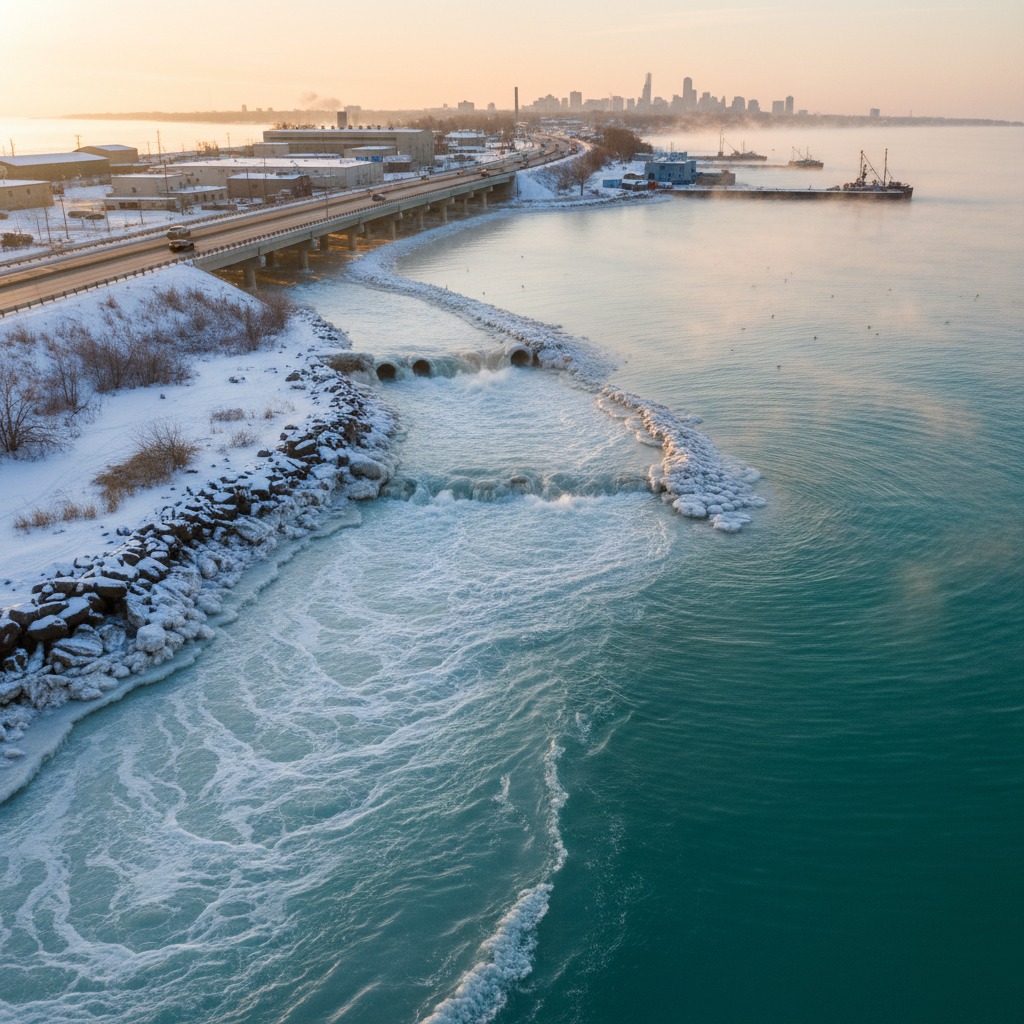
The pathway from road to water is remarkably direct. Studies have shown that up to 45 percent of applied road salt reaches surface water within the same season it is applied. Another 30 to 55 percent infiltrates into groundwater, where it accumulates over years and decades before slowly discharging into streams and lakes as baseflow. This means that even if road salt use were halted entirely tomorrow, chloride concentrations in many waterways would continue to rise for years as the accumulated groundwater reservoir gradually drains.
Environment and Climate Change Canada conducted a scientific assessment of road salts under the Canadian Environmental Protection Act and concluded that road salts are toxic to the environment. That assessment, published in 2001 and still the basis for federal management guidelines, recommended a concentration of 120 milligrams per litre of chloride as a long-term guideline for the protection of aquatic life. Many streams in the Greater Toronto Area now exceed that threshold for months at a time during winter and spring.
The Damage to Freshwater Life
Chloride is toxic to freshwater organisms at concentrations well below what many people would consider alarming. Sensitive species of zooplankton, the tiny crustaceans that form the base of aquatic food webs, begin to die at chloride concentrations of 200 to 400 milligrams per litre. Freshwater mussels, already among the most endangered groups of organisms in Ontario, are similarly sensitive. Amphibians, including frogs and salamanders that breed in roadside ditches and vernal pools, experience reduced hatching success and larval deformities at elevated chloride levels.
The effects cascade through ecosystems. As salt-sensitive zooplankton species decline, they are replaced by salt-tolerant species, altering the food web structure that fish depend on. Changes in spawning habitat quality from chloride contamination can affect reproductive success in sensitive fish species. The overall result is a simplification of aquatic communities, a shift toward fewer, hardier species that tolerate degraded conditions at the expense of the diverse assemblages that characterize healthy waterways.
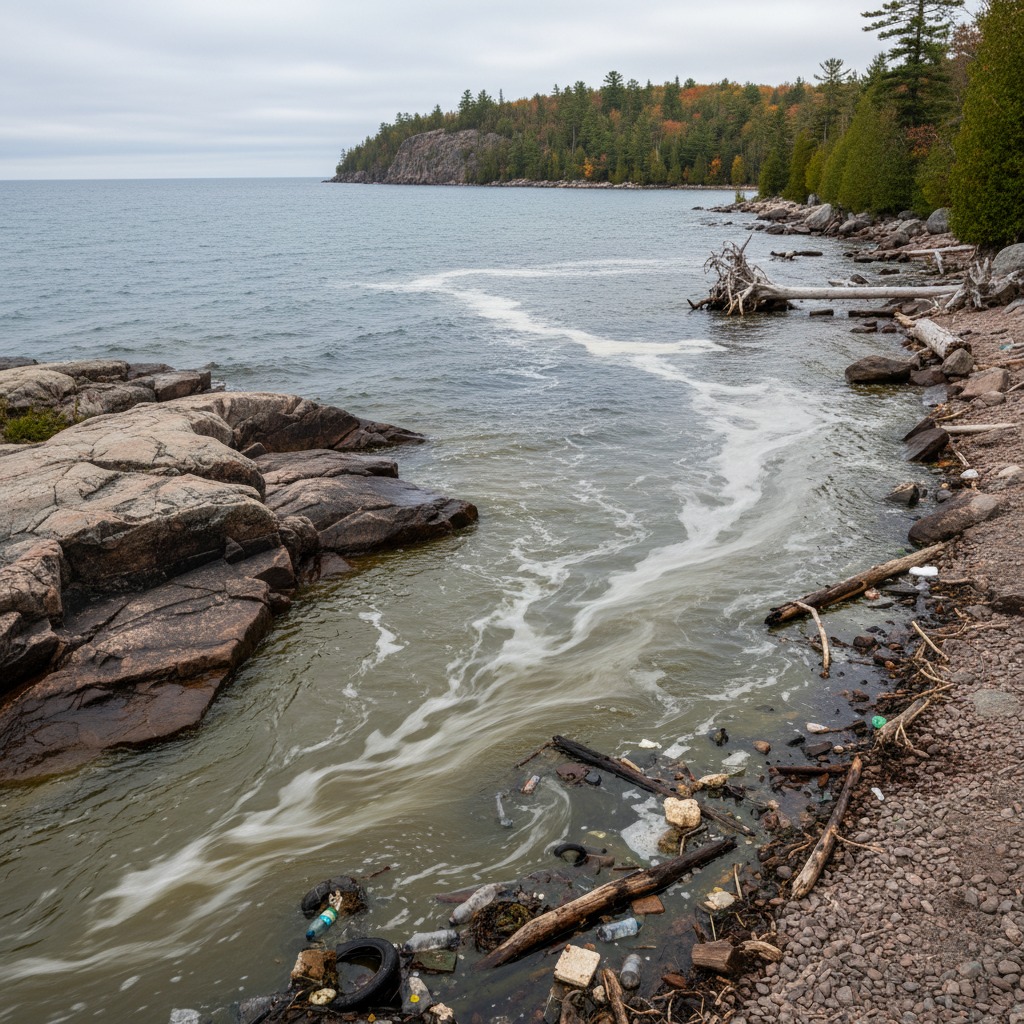
Groundwater contamination poses additional concerns. Private wells near heavily salted roads can develop elevated sodium and chloride concentrations that affect taste and, at high levels, pose health risks for people on sodium-restricted diets. Sodium in groundwater also mobilizes other metals, including lead, from well casings and household plumbing, a particularly insidious secondary effect.
Why It Keeps Getting Worse
Several factors conspire to increase road salt use even as awareness of its impacts grows. Municipal liability concerns drive aggressive salting practices, as the fear of slip-and-fall lawsuits and traffic accidents pushes maintenance crews toward over-application. The Ontario Minimum Maintenance Standards for Municipal Highways set timelines for bare pavement restoration that are difficult to meet without heavy salt use. Parking lot operators and commercial property managers, who are not covered by municipal salt management plans, often apply salt with no measurement or restraint.
Urbanization amplifies the problem. More roads, more parking lots, and more sidewalks mean more surface area to salt. As communities expand and densify, impervious surfaces increase, and the ratio of salted area to receiving water rises. In heavily urbanized watersheds, the cumulative salt load can overwhelm the dilution capacity of local streams, particularly during the low-flow conditions of late winter when meltwater pulses carry the highest concentrations.

What Can Be Done
Reducing road salt use does not require sacrificing road safety. The technologies and practices for more efficient salt management already exist and have been proven effective. Pre-wetting salt with brine before application improves its performance and reduces the amount needed by 20 to 30 percent. Calibrating spreader equipment to deliver precise application rates prevents the over-salting that occurs when operators rely on guesswork. Targeted application that focuses salt on high-priority areas like intersections, hills, and curves while reducing rates on straight, flat sections can cut total use significantly.
Alternative de-icers, including beet juice additives, calcium magnesium acetate, and sand-salt mixtures, can reduce chloride loading in sensitive areas. Some municipalities in Ontario have begun designating "salt-vulnerable areas" near important wetlands or drinking water sources, where reduced salt application rates or alternative materials are required.
Property owners can contribute by reducing salt use on their own driveways and walkways. Using a measured amount, shovelling before salting, and switching to sand or non-chloride alternatives near gardens and watercourses are straightforward steps that add up across a community. Maintaining healthy riparian buffers along nearby streams helps filter some of the contaminated runoff before it reaches open water.
Community water monitoring programs in several Ontario watersheds have begun tracking chloride concentrations, building the data needed to demonstrate the scale of the problem and advocate for policy changes. These efforts are particularly valuable because provincial monitoring networks often lack the spatial density needed to identify localized hotspots where salt contamination is most severe.
The road salt problem will not be solved overnight. Decades of accumulated chloride in groundwater guarantee that concentrations will continue rising in many waterways regardless of what we do now. But every tonne of salt that is not applied is a tonne that does not enter the water. And given the scale of current use, even modest reductions in application rates would yield meaningful benefits for the freshwater ecosystems that are already under pressure from climate change and other stressors. The conversation about road salt needs to get louder.