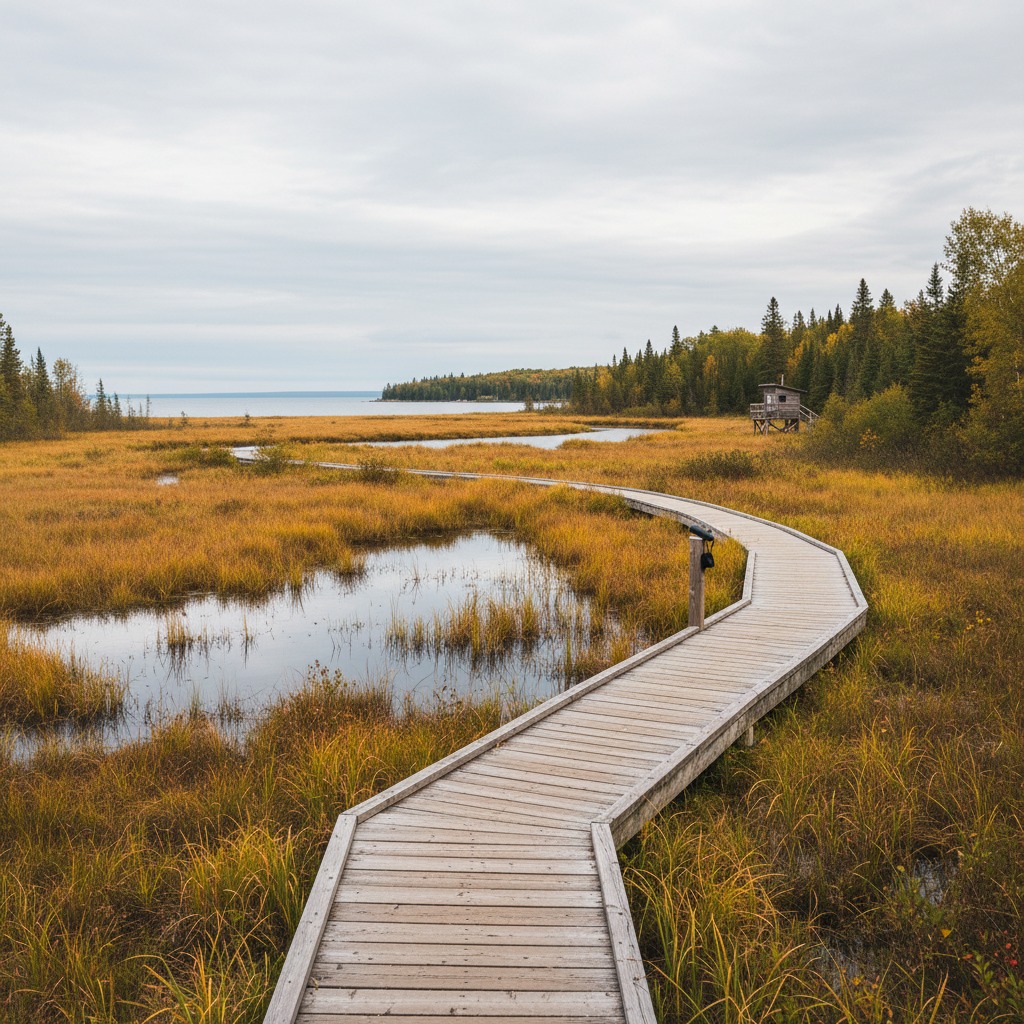
Conservation Restrictions and What They Mean for Property Owners
A homeowner in Oro-Medonte Township wanted to build a small addition to his lakeside cottage. The footprint was modest: a screened porch, no more than 150 square feet. He applied for a building permit and was told the project also required a permit from the local conservation authority. The application fee was $1,200. The review took four months. The authority's conditions included a site visit, a grading plan prepared by an engineer, a sediment and erosion control plan, and a commitment to plant 15 native shrubs within the development setback. The porch cost $18,000 to build. The regulatory process added another $6,000 in fees and professional services.
Stories like this are common among waterfront property owners in Ontario, and they fuel a deep frustration with conservation authority regulation. For homeowners who see themselves as stewards of their land, the permitting process can feel intrusive, expensive, and disconnected from the reality of what they are trying to do. For conservation authorities, the regulations exist because decades of uncontrolled development near water have caused measurable harm to shorelines, wetlands, and water quality.
What Conservation Authorities Regulate
Ontario's 36 conservation authorities derive their regulatory power from the Conservation Authorities Act and Ontario Regulation 97/04 (now replaced by individual authority regulations under the updated framework). In general terms, conservation authorities regulate development within areas that include river and stream valleys, the Great Lakes and inland lake shorelines, wetlands, and other natural hazard lands.
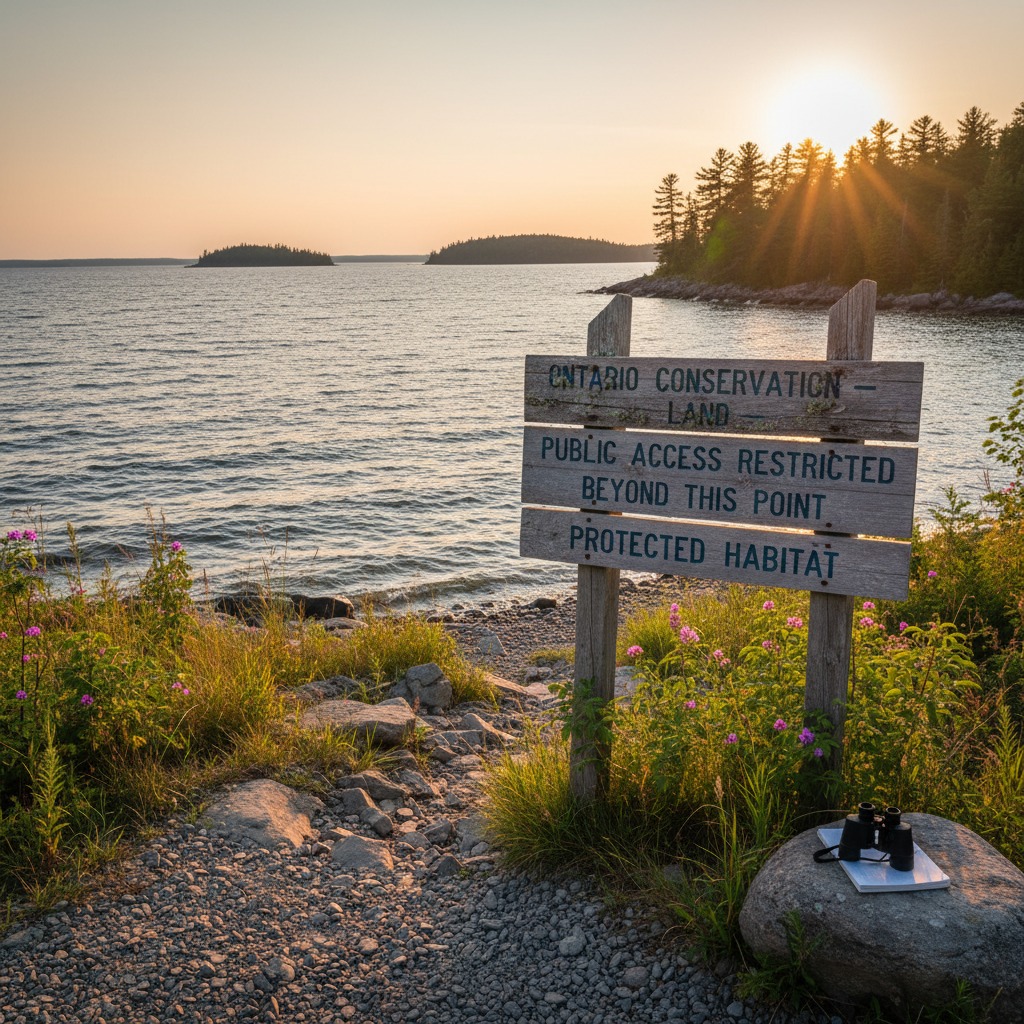
For waterfront properties, this means that most activity within a specified distance of the water, typically 15 to 30 metres from a waterbody, requires a conservation authority permit. This applies not only to new construction but also to grading, filling, tree removal, shoreline alteration, and even some landscaping activities. The setback distances and specific requirements vary by authority and by the characteristics of the site.
The rationale for these regulations is well established. Development near water can increase flood risk, accelerate erosion, degrade water quality, and destroy habitat. The regulatory framework is intended to prevent these outcomes by ensuring that development near sensitive areas is reviewed by technical staff with expertise in natural hazards and environmental protection.
The Property Owner's Perspective
For many waterfront property owners, the regulatory framework feels like an infringement on their property rights. They purchased their land, pay property taxes on it, and believe they should be able to build, renovate, or maintain it without having to seek permission from a government agency.
The most common complaints are about cost and delay. Conservation authority permit fees in Ontario range from a few hundred dollars for minor works to several thousand for major projects. On top of the fees, applicants often need to hire professionals, engineers, surveyors, biologists, or environmental consultants, to prepare the technical reports the authority requires. For small projects like a dock replacement, a retaining wall repair, or a shoreline planting, these costs can exceed the cost of the work itself.
Processing times are another sore point. While some authorities have improved their turnaround times in recent years, delays of three to six months are not unusual for complex applications. For property owners who have a short construction season, particularly in cottage country where work must be completed between spring thaw and fall freeze, a lengthy approval process can push a project back by an entire year.
There is also a perception of inconsistency. Property owners talk to neighbours who did similar work without permits and were never penalized. They hear about properties in adjacent jurisdictions where the conservation authority takes a different approach. The lack of uniformity across Ontario's 36 authorities creates confusion and resentment.
What the Regulations Actually Require
The specific requirements depend on the type of work being proposed and the sensitivity of the site. For a typical waterfront property, a conservation authority permit application might require a site plan showing the property boundaries, the location of existing and proposed structures, the distance to the water, and the existing vegetation. For more complex projects, the authority may require a geotechnical report (to assess slope stability), a stormwater management plan, a natural heritage assessment, or a hydraulic analysis.
Conditions attached to permits commonly include setback requirements (keeping new construction a minimum distance from the water), lot grading controls (ensuring water drains away from the shoreline), erosion and sediment controls during construction, and replanting requirements for any vegetation removed during the work.
For routine shoreline maintenance, such as repairing an existing dock, replacing a retaining wall in kind, or clearing fallen trees, some conservation authorities have streamlined processes or pre-authorized certain types of minor works. These fast-track options are not universally available, however, and many property owners are not aware they exist.
Recent Changes to the Framework
The relationship between conservation authorities and property owners has been a political flashpoint in Ontario for years. In 2020, the provincial government passed legislation that narrowed the scope of conservation authority regulatory powers, focusing them more tightly on natural hazards (flooding, erosion) and less on broader environmental protection. The intent was to reduce what the government described as regulatory overreach.
Environmental groups argued that the changes weakened protections for wetlands and other sensitive areas. Conservation authorities expressed concern that their ability to review development proposals for environmental impacts was being curtailed. Property rights advocates welcomed the changes as a step toward reducing unnecessary red tape.
The practical effects are still unfolding. Some conservation authorities have adjusted their permitting processes to reflect the new framework, while others are still working through the transition. Property owners should check with their local conservation authority to understand the current requirements, as they may differ from what was in place even a year or two ago.
Navigating the System
For waterfront property owners planning any work near the water, the most important step is to contact the local conservation authority early, before hiring contractors, ordering materials, or beginning work. A pre-consultation meeting can clarify what permits are needed, what information the authority requires, and how long the process is likely to take. This upfront investment of time can prevent costly surprises later.
It is also worth understanding that conservation authority staff are generally not trying to block reasonable projects. Their job is to ensure that development near water does not create hazards or cause environmental harm. Property owners who approach the process cooperatively, provide complete applications, and are willing to incorporate reasonable conditions tend to move through the system more quickly than those who treat it as an adversarial exercise.
For those who believe a conservation authority decision is unreasonable, there is an appeal mechanism. Decisions can be appealed to the Ontario Land Tribunal (formerly the Local Planning Appeal Tribunal), where an independent adjudicator reviews the case. Appeals are expensive and time-consuming, but they exist as a check on regulatory discretion.
The conservation authority system is imperfect, and the tension between property development and environmental protection is unlikely to disappear. But for waterfront property owners, understanding the rules, and the reasons behind them, is the first step toward working within a system that, for all its frustrations, exists to protect the very shoreline features that make waterfront property worth owning.