
Provincial Policy and Its Effect on Local Waterfront Planning
When a municipal planner in Tiny Township reviews an application to build a new home on the Georgian Bay shoreline, the first document she consults is not the township's zoning bylaw. It is the Provincial Policy Statement. This document, issued by the Ontario government, sets the framework within which all local planning decisions must be made. It determines what can and cannot be built near the water, how natural heritage features must be protected, and how municipalities should balance development with environmental stewardship. Yet most waterfront residents have never read it, and many municipal councillors who make planning decisions based on it have only a passing familiarity with its contents.
Provincial policy is the invisible architecture of waterfront planning in Ontario. It shapes outcomes in every municipality, from major lakefront cities to the smallest cottage communities. Understanding it is essential for anyone trying to influence what happens on their stretch of shoreline.
The Provincial Policy Statement
The Provincial Policy Statement, or PPS, is the primary policy document guiding land use planning in Ontario. Issued under the Planning Act, it sets out the province's positions on matters of provincial interest, including natural hazards, natural heritage, water resources, housing, and economic development. Municipal official plans and zoning bylaws must be "consistent with" the PPS, which gives it significant legal force.

For waterfront areas, several PPS policies are particularly relevant. Section 2.1 addresses natural heritage protection, requiring municipalities to identify and protect significant wetlands, wildlife habitat, and areas of natural and scientific interest. Section 3.1 deals with natural hazards, directing development away from flood-prone areas, unstable slopes, and erosion-hazard lands. Section 2.2 covers water resources, requiring that planning decisions protect the quality and quantity of water.
These policies, taken together, create a protective framework around Ontario's shorelines. They limit where development can occur, require setbacks from the water's edge, and mandate the protection of sensitive features like wetlands and fish habitat. The PPS does not ban waterfront development, but it imposes conditions that are supposed to ensure development occurs in a way that respects the natural environment.
How Provincial Policy Gets Applied Locally
The gap between provincial policy and local practice is where most of the problems arise. The PPS sets broad policy directions, but it leaves the details of implementation to municipalities and conservation authorities. How a particular policy is interpreted and applied can vary significantly from one community to the next.
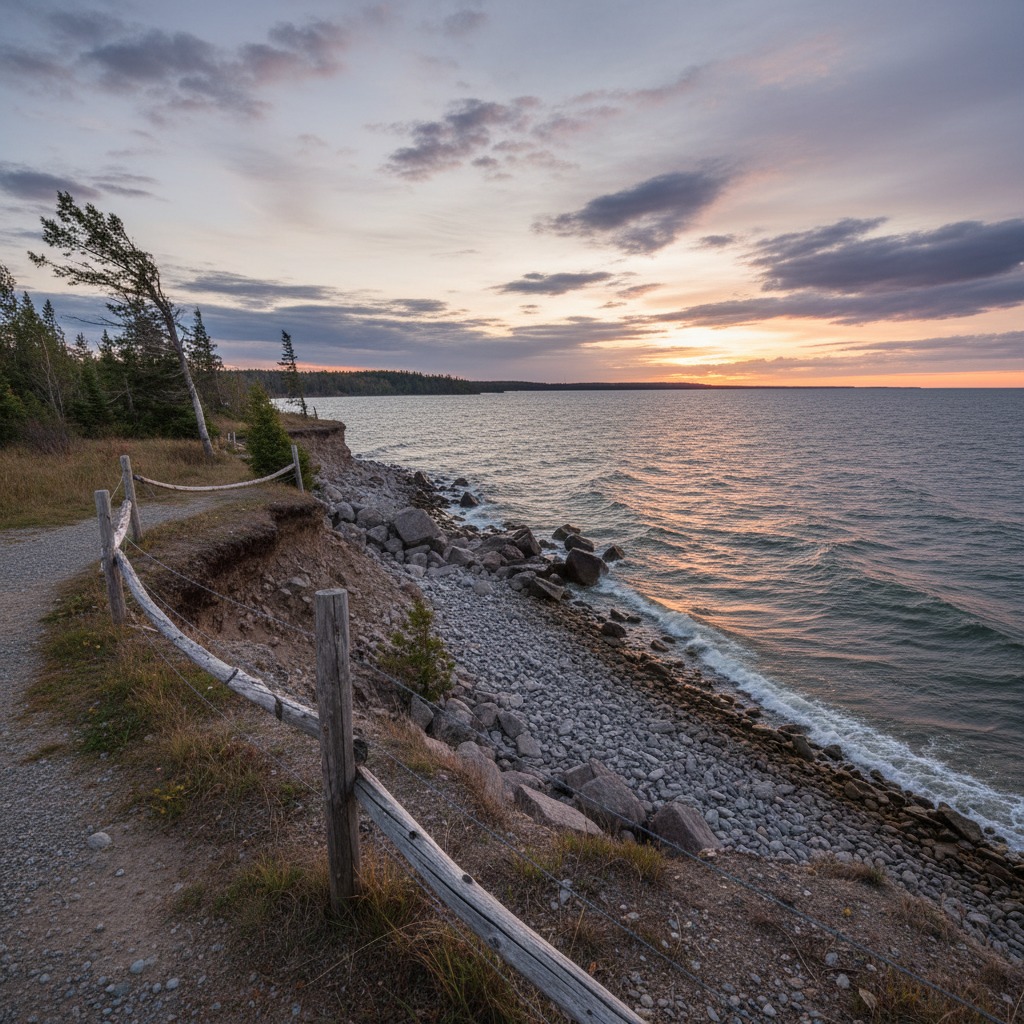
Take the natural hazard policies as an example. The PPS directs municipalities to identify flood-prone areas and restrict development within them. But the accuracy of floodplain mapping varies widely across the province. Some municipalities have detailed, current maps based on modern data. Others rely on maps that are decades old. The policy is the same in both communities, but the outcomes are very different.
Similarly, the natural heritage policies require municipalities to protect "significant" wetlands and wildlife habitat. But what counts as significant? The province provides criteria, but the assessment involves professional judgment and can be contested. A developer's ecologist may conclude that a wetland near a proposed development is not provincially significant. The conservation authority's ecologist may disagree. The resulting dispute can delay a project for years and ultimately land before the Ontario Land Tribunal for resolution.
The capacity of municipal planning departments also affects how provincial policy is applied. Larger municipalities with experienced planning staff and access to technical resources can interpret and apply the PPS with sophistication. Smaller municipalities, where the planning function may be handled by a single staff member or a contract planner, may lack the expertise to navigate complex policy questions. This creates an uneven playing field where the quality of waterfront planning depends heavily on the resources of the local government.
Recent Policy Changes
The PPS has been updated several times since it was first issued in 1996. The most recent major revision, released in 2024, merged the PPS with the Growth Plan for the Greater Golden Horseshoe into a single policy document. The changes generated significant debate, with critics arguing that the new policy weakened protections for natural heritage and wetlands to facilitate faster housing development.
For waterfront communities, the specific policy language matters. Changes to how "significant" wetlands are defined, how natural hazard areas are mapped, or how development setbacks are calculated can have direct consequences for what gets built along the shoreline. When the province adjusts these policies, even subtly, the effects ripple through every municipality's planning framework.
The Provincial Policy Statement also interacts with other provincial legislation and policies that affect waterfront development. The Conservation Authorities Act, the Endangered Species Act, the Clean Water Act, and various provincial plans (such as the Greenbelt Plan and the Lake Simcoe Protection Plan) all add layers of regulation that municipalities must navigate. The resulting complexity can be overwhelming for both planners and the public.
The Lake Simcoe Protection Plan
One of the most detailed examples of provincial policy affecting local waterfront planning is the Lake Simcoe Protection Plan. Enacted in 2009, the plan imposes specific requirements on municipalities in the Lake Simcoe watershed, including phosphorus reduction targets, restrictions on development near the shoreline, and requirements for stormwater management.
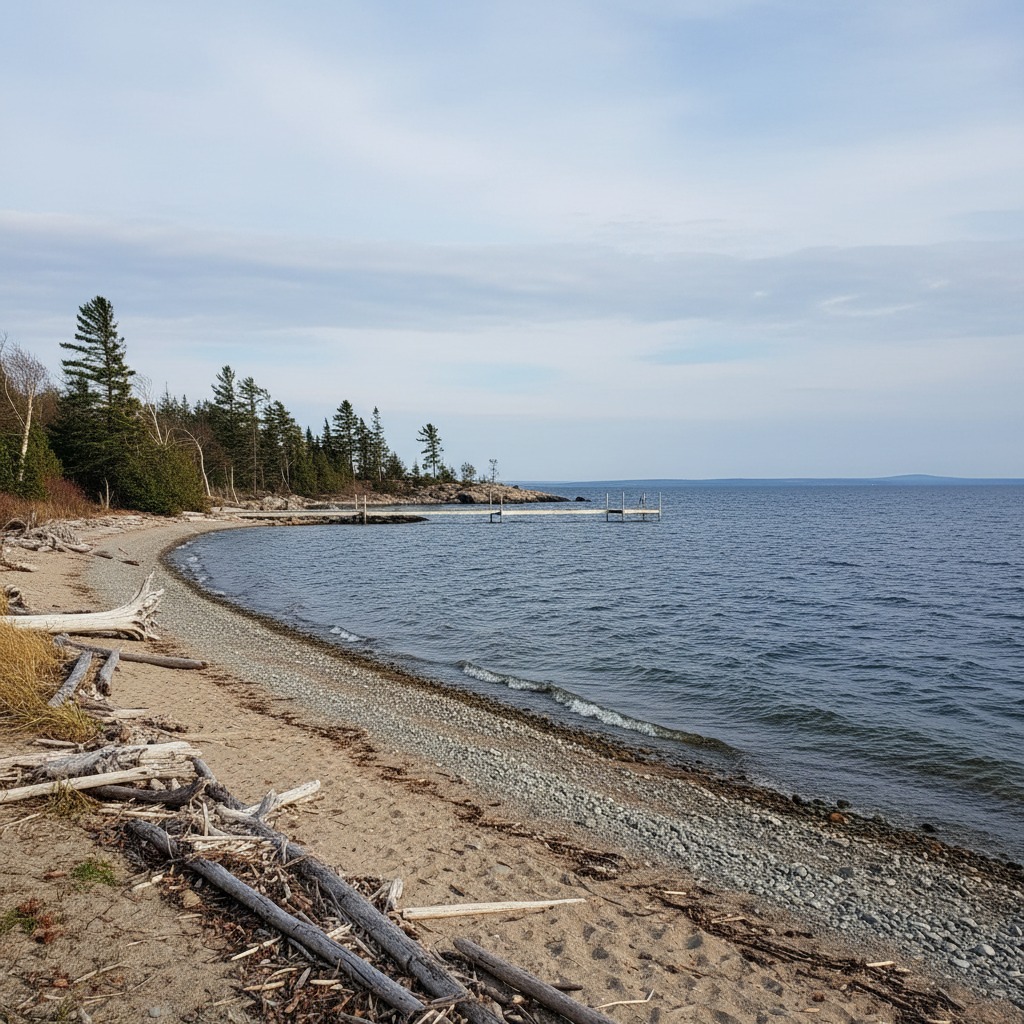
The plan has been credited with helping to improve water quality in Lake Simcoe, which had suffered from decades of nutrient loading and habitat degradation. But it has also constrained development in municipalities around the lake, leading to frustration among property owners and developers who feel the restrictions are too rigid.
Communities around Lake Simcoe have had to revise their official plans and zoning bylaws to conform with the protection plan, a process that took years and generated significant public debate. The experience illustrates both the potential of provincial policy to drive meaningful environmental improvement and the tension it creates with local development aspirations.
What Residents Can Do
Provincial policy may seem remote from the daily concerns of waterfront residents, but it directly affects the planning decisions that shape their communities. Residents who want to influence waterfront outcomes should familiarize themselves with the key PPS policies that apply to their area, particularly those related to natural hazards, natural heritage, and water resources.
When a development application comes forward, checking whether it is "consistent with" the PPS is one of the most powerful tools available to opponents. If a proposal conflicts with provincial policy, that is a legitimate and often persuasive ground for objection. Municipal councils are required to make decisions that are consistent with the PPS, and the Ontario Land Tribunal will evaluate appeals against the same standard.
Engaging with provincial policy reviews is also important. When the province proposes changes to the PPS or other planning policies, public comments are invited. These reviews happen infrequently, but their outcomes shape planning across Ontario for years or decades. Conservation organizations, ratepayer groups, and individual residents who participate in these reviews can influence the policy framework that governs development in their communities.
Provincial policy is the foundation on which local waterfront planning is built. When the foundation is strong, communities have the tools to manage development thoughtfully. When it is weakened, the pressure to build overwhelms the protections that keep Ontario's shorelines healthy and accessible. Paying attention to what happens at Queen's Park is not optional for anyone who cares about the future of their waterfront.